













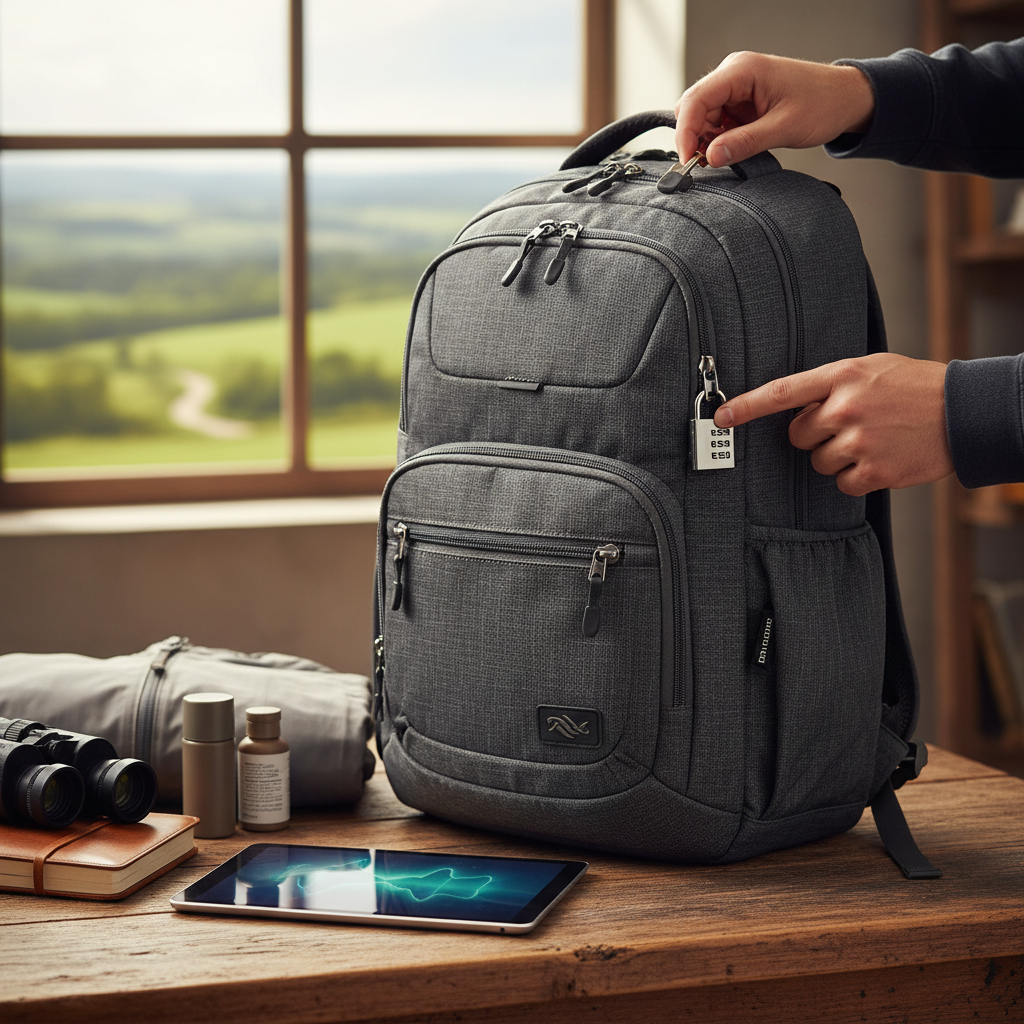

Unlocking Peace of Mind: Your Definitive Guide to Protective Travel Gear
Safeguard Your Adventures: Smart Strategies & Essential Kit for Every Journey

Quick Summary / Key Takeaways
- Choose anti-theft bags that have RFID blocking and secure zippers. This helps protect your documents and valuables, lowering the risk of theft in busy places.
- Get travel insurance that covers medical emergencies, trip cancellations, and lost luggage. It's your safety net against surprises.
- Use personal safety devices such as portable alarms or GPS trackers. This is important when you travel alone or explore new places.
- Digitize important documents. Keep physical copies apart from the originals. This way, you can access them even if the originals are lost or stolen.
- Always check the risks for your destination. Pack gear for local threats. For example, take mosquito repellent for tropical areas or bear spray for the wilderness.
Introduction
Starting a journey invites discovery and new stories in your life. But, as any traveler knows, the world is unpredictable. I remember a trip to lively Marrakech when a friend's backpack was briefly left unattended. It became a target, but reinforced zippers saved the day. This taught us an important lesson: protection is about preparedness, not paranoia. Protective travel gear is not just an accessory; it’s part of your peace of mind. It’s the shield that lets you dive into a new culture, climb a peak, or explore a market without worrying about what might go wrong. From keeping your passport safe to ensuring personal safety, smart gear choices can turn problems into minor issues. This guide covers essentials, going beyond basic luggage to a complete approach to travel safety. We’ll look at often-overlooked details, share real-world insights, and give you the knowledge to make smart choices. Your adventure should be about wonder, not worry.
Anti-Theft Backpack Comparison: Features & Functionality
| Feature | Pacsafe Venturesafe EXP45 | Osprey Fairview/Farpoint | NOMATIC Travel Bag |
|---|---|---|---|
| Security Features | Lockable Zippers, RFID Pocket, Cut-Resistant Material | Lockable Zippers, Internal Compression, Durable Fabric | RFID Pocket, Water-Resistant, Padded Laptop Sleeve |
| Capacity (Liters) | 45L (Carry-on Compliant) | 40L (Carry-on Compliant) | 40L (Carry-on Compliant) |
| Best For | Adventure travel, urban exploration, high-risk areas | Backpacking, multi-day trips, comfort | Business travel, tech-heavy trips, sleek look |
| Approx. Price Range | $150 - $200 | $180 - $220 | $250 - $300 |
Travel Insurance Coverage Types: What's Right For You?
| Coverage Type | Basic Medical | Comprehensive | Annual Multi-Trip | Specialty (Adventure) |
|---|---|---|---|---|
| Key Benefits | Emergency medical care, limited evacuation | Medical, trip cancel/delay, baggage, rental car | All trips within a year, good for frequent flyers | High-risk activities, specific gear, extreme sports |
| Typical Cost Basis | Lower, per-trip | Medium-high, per-trip | Higher upfront, cost-effective long-term | Variable, often an add-on or specific policy |
| Example Scenario | Sudden illness requiring hospital visit | Missed flight, lost camera, broken leg | Weekend getaways, business trips, holidays | Scuba diving accident, mountaineering rescue |
| Who Is It For? | Budget travelers, short trips | Most travelers, family trips | Frequent travelers (3+ trips/year) | Adrenaline seekers, niche hobbies |
Protective Travel Gear Preparation Checklist
- Check that all anti-theft zippers and locks work. Also, make sure you have spare keys or combinations. This way, your travel gear stays secure during your trip.
- Download offline maps and emergency contacts to your mobile device. This ensures reliable navigation and safety resources, even without a signal.
- Confirm your travel insurance policy details. Carry a physical copy of important numbers. This provides essential coverage and quick access.
- Test personal safety alarms. Ensure GPS trackers have charged batteries. This keeps your travel gear ready for unexpected situations.
Protective Travel Gear Post-Trip Maintenance Checklist
- Inspect protective bags for wear and tear. Repair or replace any compromised anti-theft features. This maintains the reliability of your travel gear.
- Review and update your travel insurance coverage. Adjust based on future plans or life changes. This ensures your strategy meets your evolving needs.
- Recharge and store personal safety devices. Check expiry dates on any components. This keeps all accessories ready for your next trip.
- Securely archive digital copies of travel documents. Discard sensitive physical copies responsibly. This completes your routine with proper data security.
Table of Contents
Section 1: The Foundation of Safe Travel
- Why is protective travel gear more important now than ever?
- What are the primary types of threats protective gear guards against?
- How can I balance security needs with travel convenience?
- What's the biggest misconception about travel safety?
Section 2: Essential Gear for Personal & Valuables Protection
- Which anti-theft bags truly make a difference?
- Are RFID-blocking wallets actually necessary?
- What non-obvious items enhance personal safety on the go?
- How do I protect digital devices and data while traveling?
- What role do document organizers play in overall protection?
Section 3: Beyond the Bag: Insurance, Health & Awareness
- Why is comprehensive travel insurance non-negotiable?
- What health-related protective gear should I always carry?
- How does situational awareness act as protective gear?
Section 4: Smart Packing & Tech Integration
- How can smart packing strategies boost my gear's effectiveness?
- What tech gadgets offer advanced protection for travelers?
- When should I consider specialized protective gear for extreme trips?
Frequently Asked Questions
Section 1: The Foundation of Safe Travel
FAQ 1: Why is protective travel gear more important now than ever?
Protective travel gear is essential due to rising global travel, advanced theft methods, and unexpected events like natural disasters or health crises. As more people travel, they face higher risks, from petty crime to medical emergencies. Digital threats are also a concern, as our devices contain sensitive information vulnerable to cyberattacks on public networks. Investing in protective gear helps safeguard valuables, personal well-being, and peace of mind in today’s complex travel environment.
FAQ 2: What are the primary types of threats protective gear guards against?
Protective travel gear mainly guards against theft, like pickpocketing and bag snatching. It helps prevent the loss of documents and valuables. It also enhances personal safety and addresses health emergencies and financial fraud. Additionally, it protects against environmental hazards, such as harsh weather or wildlife, based on your destination. Beyond physical threats, it tackles digital vulnerabilities, like data breaches and identity theft, when using public Wi-Fi. Good gear acts as a buffer against unpredictable travel elements, reducing risks in many areas.
FAQ 3: How can I balance security needs with travel convenience?
You can balance security and convenience by choosing multi-functional gear and knowing the risks of your destination. It’s better to adopt smart habits than to overpack security items. For example, a lightweight anti-theft daypack can be both a secure personal item and an everyday bag. Choose gear with built-in security features, like hidden pockets or lockable zippers, that doesn’t add bulk. Focus on what’s essential for your trip, like protecting important documents and ensuring personal safety. Then, add items that enhance convenience.
FAQ 4: What's the biggest misconception about travel safety?
Many people wrongly believe that bad things only happen to others. They think expensive gear makes them safe, which leads to complacency. True safety comes from smart gear, awareness, and common-sense practices. It’s not just about one product. Many travelers think a lock on their bag is enough. They often overlook situational awareness and protecting their documents. Overconfidence can be riskier than not having specialized gear. Even the best tools need careful use.
Section 2: Essential Gear for Personal & Valuables Protection
FAQ 5: Which anti-theft bags truly make a difference?
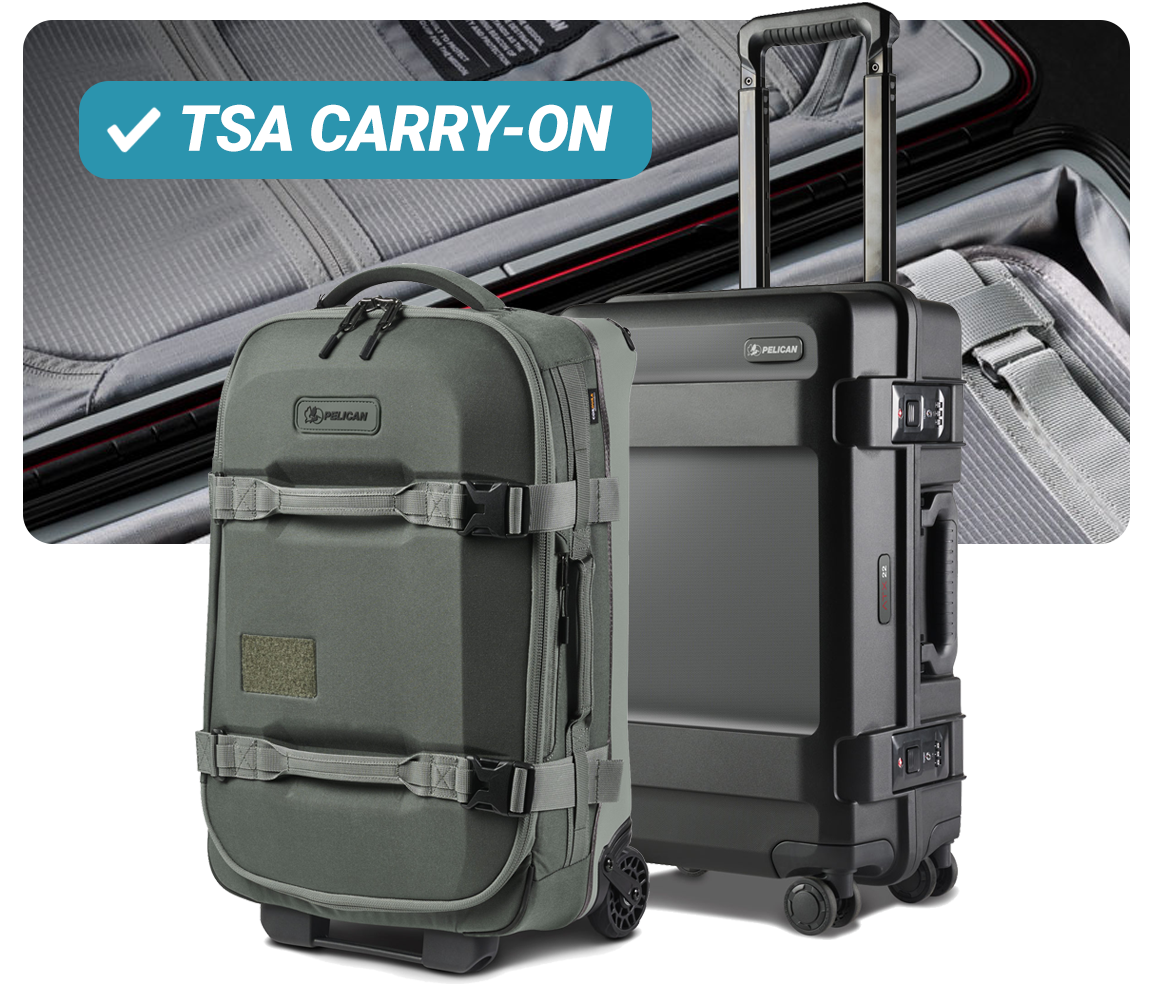
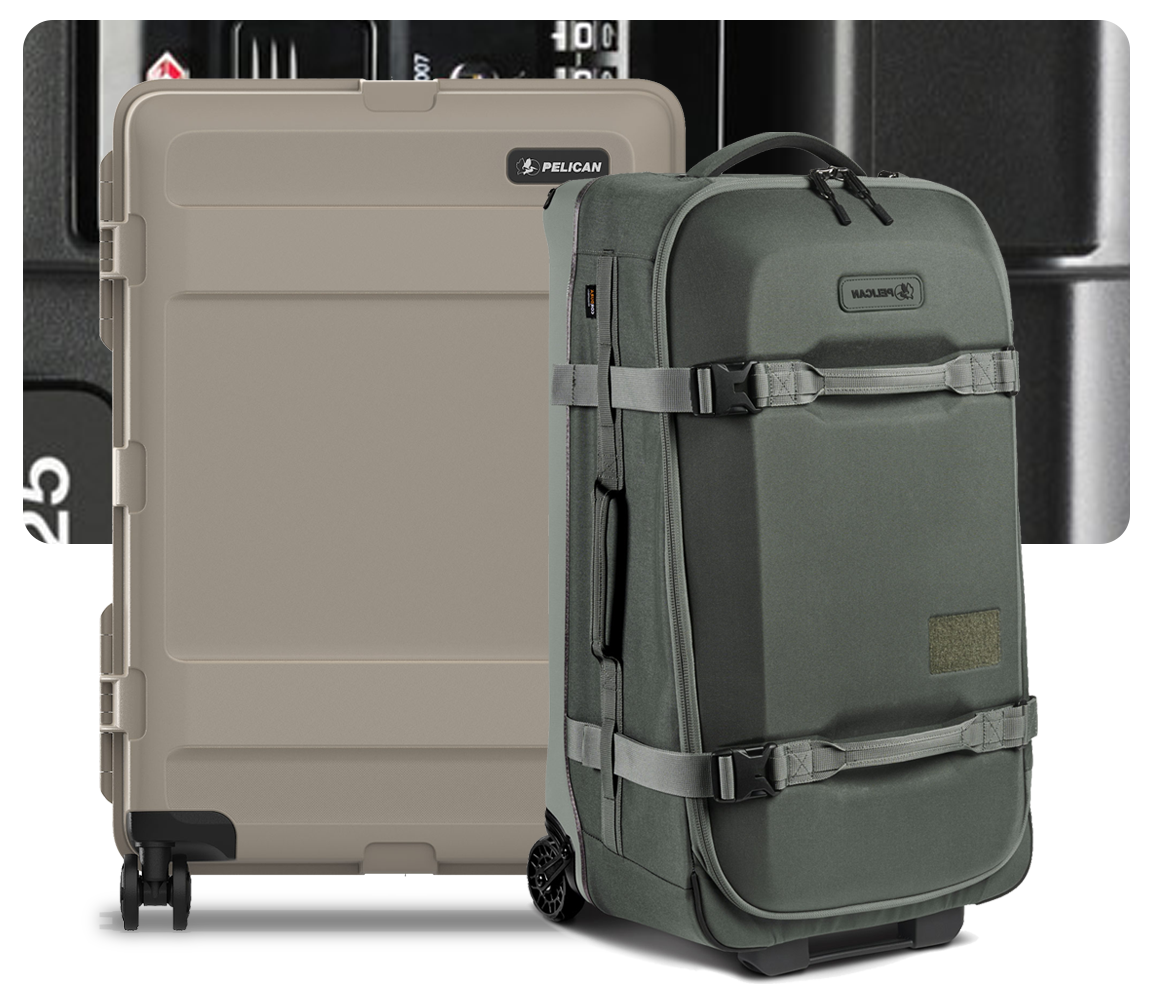
Anti-theft bags with cut-resistant materials (e.g., eXomesh SlashGuard), lockable zippers, RFID-blocking pockets, and secure anchor points effectively deter opportunistic thieves.Brands like Pacsafe, Travelon, and Osprey incorporate these features into backpacks, cross-body bags, and wallets. Their multi-layered security approach makes it hard for thieves to access contents quickly or snatch the bag. Choose designs that focus on both internal organization and external tamper-proofing. This ensures your valuables stay secure in different environments.
FAQ 6: Are RFID-blocking wallets actually necessary?
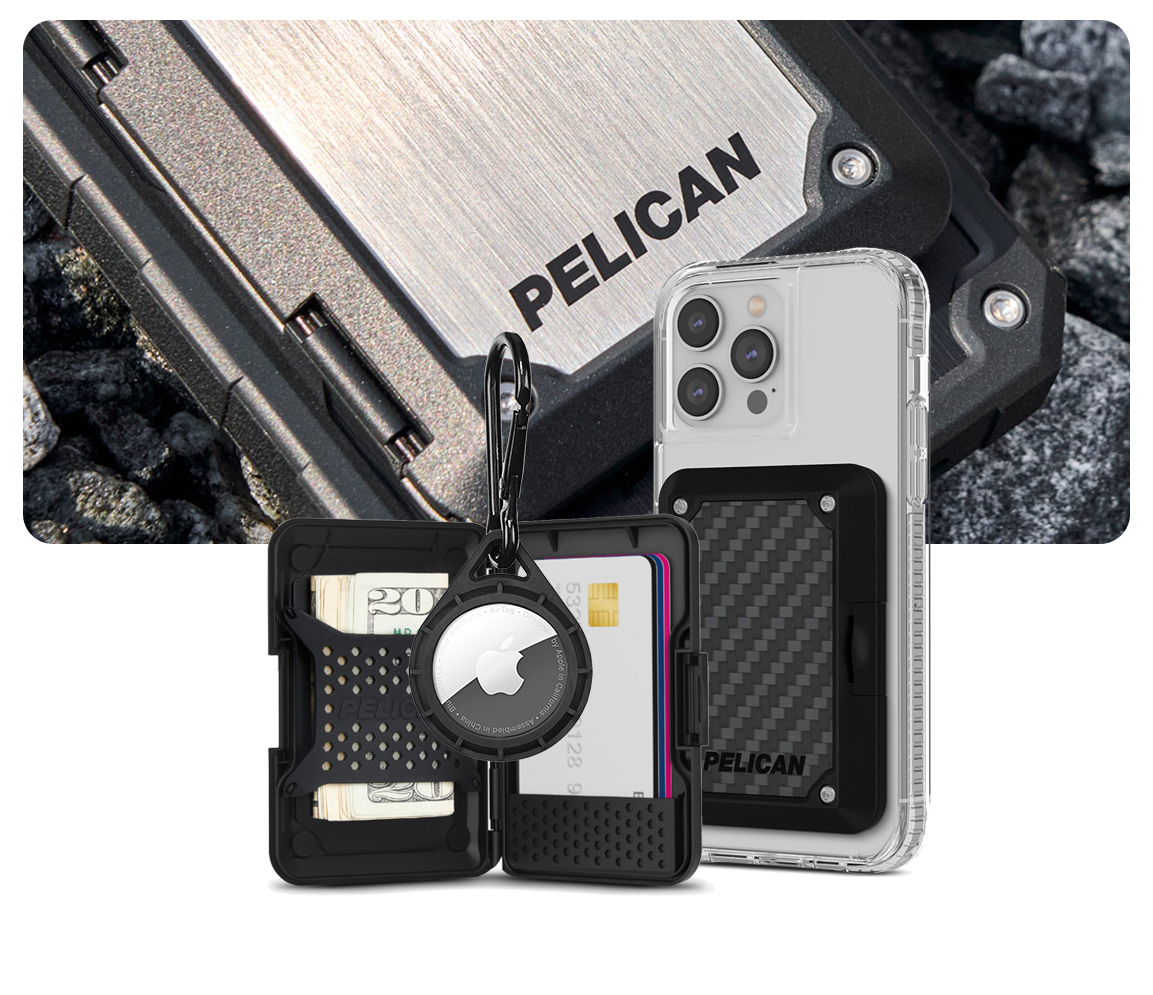
Yes, RFID-blocking wallets are truly important, especially for travelers. They shield your credit cards and passport from electronic pickpocketing through RFID scanners. While less common than physical theft, the technology to skim card data wirelessly is available and getting easier to access. Using an RFID-blocking wallet or sleeve keeps your sensitive financial and personal information safe from prying eyes. It’s a low-cost, high-impact way to protect against a rising digital threat.
FAQ 7: What non-obvious items enhance personal safety on the go?
Non-obvious items that boost personal safety include a personal safety alarm, a doorstop alarm, a small flashlight, and a brightly colored whistle. A doorstop alarm secures your hotel room against unwanted entry. A loud personal alarm or whistle can scare off attackers and attract help during emergencies. A compact flashlight is useful for dark areas and can serve as a defensive tool. These items are discreet, lightweight, and add extra security beyond traditional gear.
FAQ 8: How do I protect digital devices and data while traveling?
Protecting your digital devices and data means using strong passwords, two-factor authentication, and a VPN on public Wi-Fi. Encrypt sensitive files and take physical anti-theft measures. Always back up your data to a cloud service or an external drive before you leave. If a device is lost or stolen, your information stays safe. Use padded, lockable bags for laptops and tablets. Never leave devices unattended, especially in public spaces. A complete approach tackles both cyber and physical threats to your valuable tech.
FAQ 9: What role do document organizers play in overall protection?
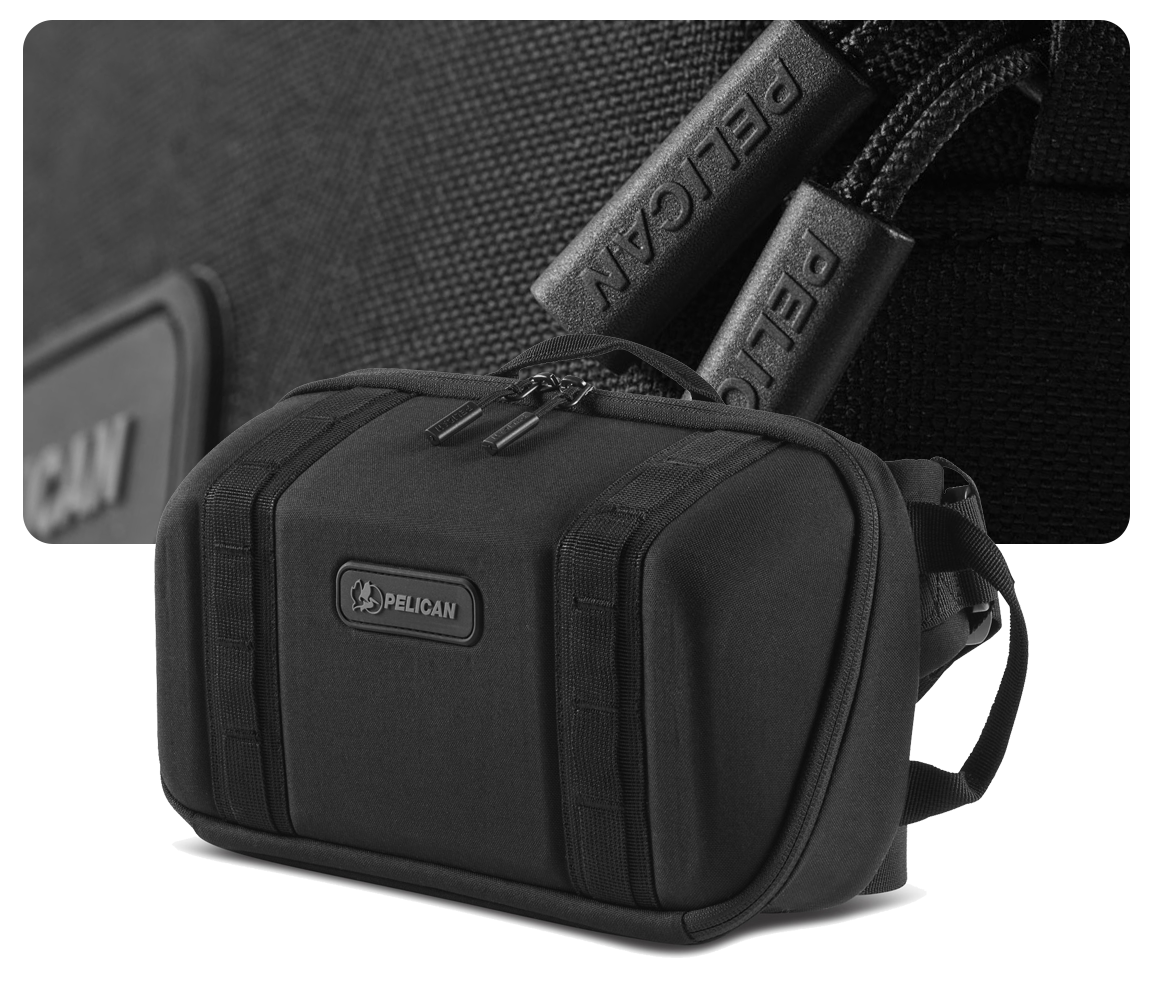
Document organizers are key for protecting important papers like passports, visas, and boarding passes. They make these items easy to access and hard to lose. Many organizers also use RFID-blocking material, adding digital security for passport chips and credit cards. Keeping documents in a secure pouch reduces frantic searching, which can attract thieves. This organized method keeps vital information safe and ready when needed, helping to avoid travel disruptions.
Section 3: Beyond the Bag: Insurance, Health & Awareness
FAQ 10: Why is comprehensive travel insurance non-negotiable?
Comprehensive travel insurance is essential. It offers a financial safety net for unexpected issues, like medical emergencies, trip cancellations, and lost luggage. Without it, a sudden illness that needs hospitalization can lead to huge expenses, risking financial ruin. It covers more than health; it also includes trip interruption, emergency evacuation, and some adventure sports. It’s not just about worst-case scenarios; it’s about giving you peace of mind to enjoy your journey.
FAQ 11: What health-related protective gear should I always carry?
Essential health-related protective gear includes a personal first-aid kit, prescription medications in original packaging, hand sanitizer, and specific items like mosquito repellent for tropical areas. A basic kit should address minor cuts, scrapes, pain relief, and upset stomachs. Depending on your destination, also consider water purification tablets or a filter bottle. Always consult a doctor about vaccinations. This preparation helps you handle common ailments or minor injuries, preventing them from becoming bigger issues.
FAQ 12: How does situational awareness act as protective gear?
Situational awareness is like protective gear for your mind. It helps you observe, anticipate, and react to your surroundings, often stopping incidents before they start. Being present means noticing who is around you, understanding local customs, and spotting potential threats or unsafe areas. A strong awareness of your surroundings helps you avoid becoming a target, move safely through crowds, and recognize scams. This mental alertness works well with physical gear, forming a complete personal security system that is often your first and best defense.
Section 4: Smart Packing & Tech Integration
FAQ 13: How can smart packing strategies boost my gear's effectiveness?
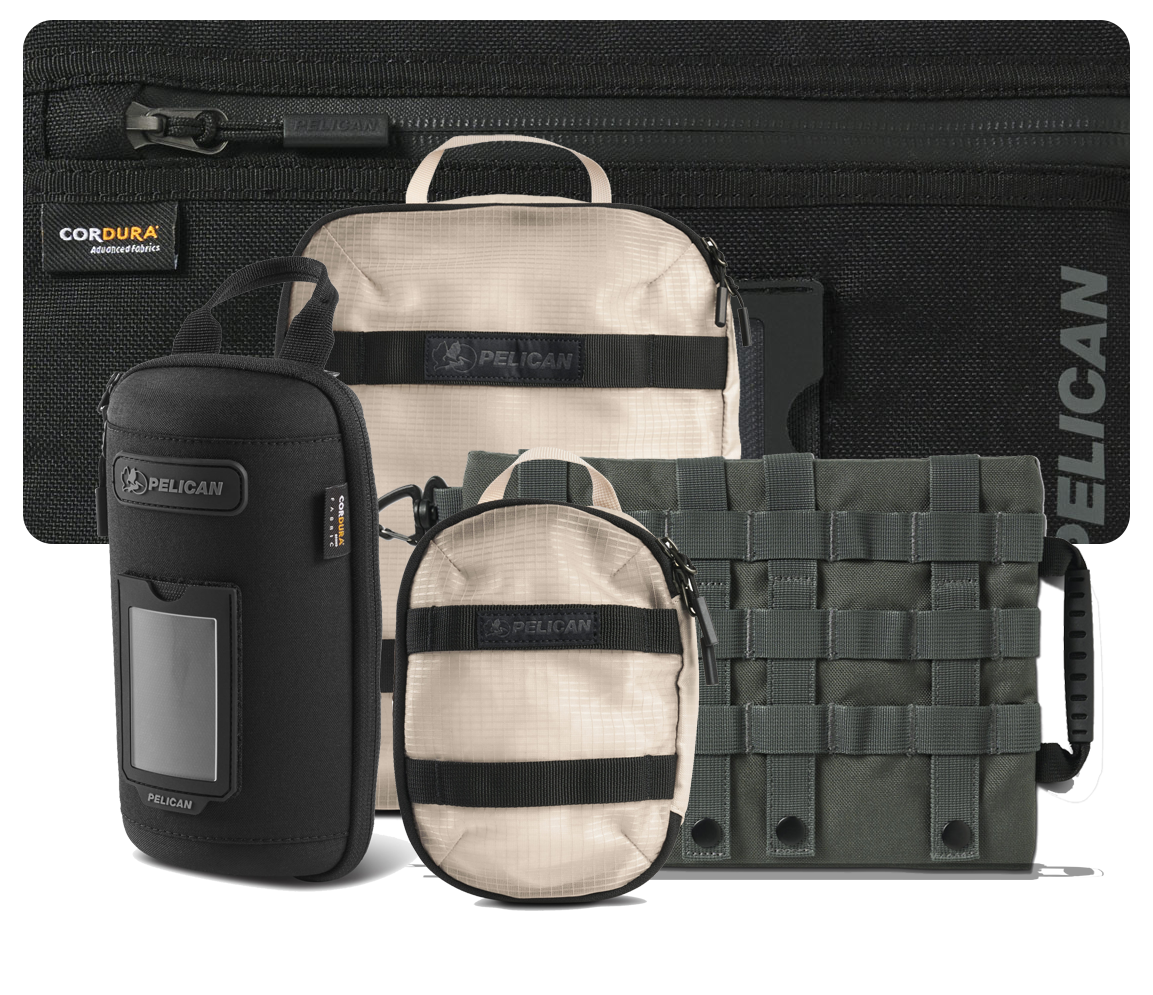
Smart packing strategies enhance gear effectiveness. They ensure easy access to essentials, distribute weight evenly, and hide items from view. Keep valuables in hidden pockets. Use packing cubes to compartmentalize and obscure contents. Never place critical items in easy-to-reach exterior pockets. Pack light to stay agile and avoid becoming an easy target. Thoughtful item placement lets your protective gear work together effectively.
FAQ 14: What tech gadgets offer advanced protection for travelers?
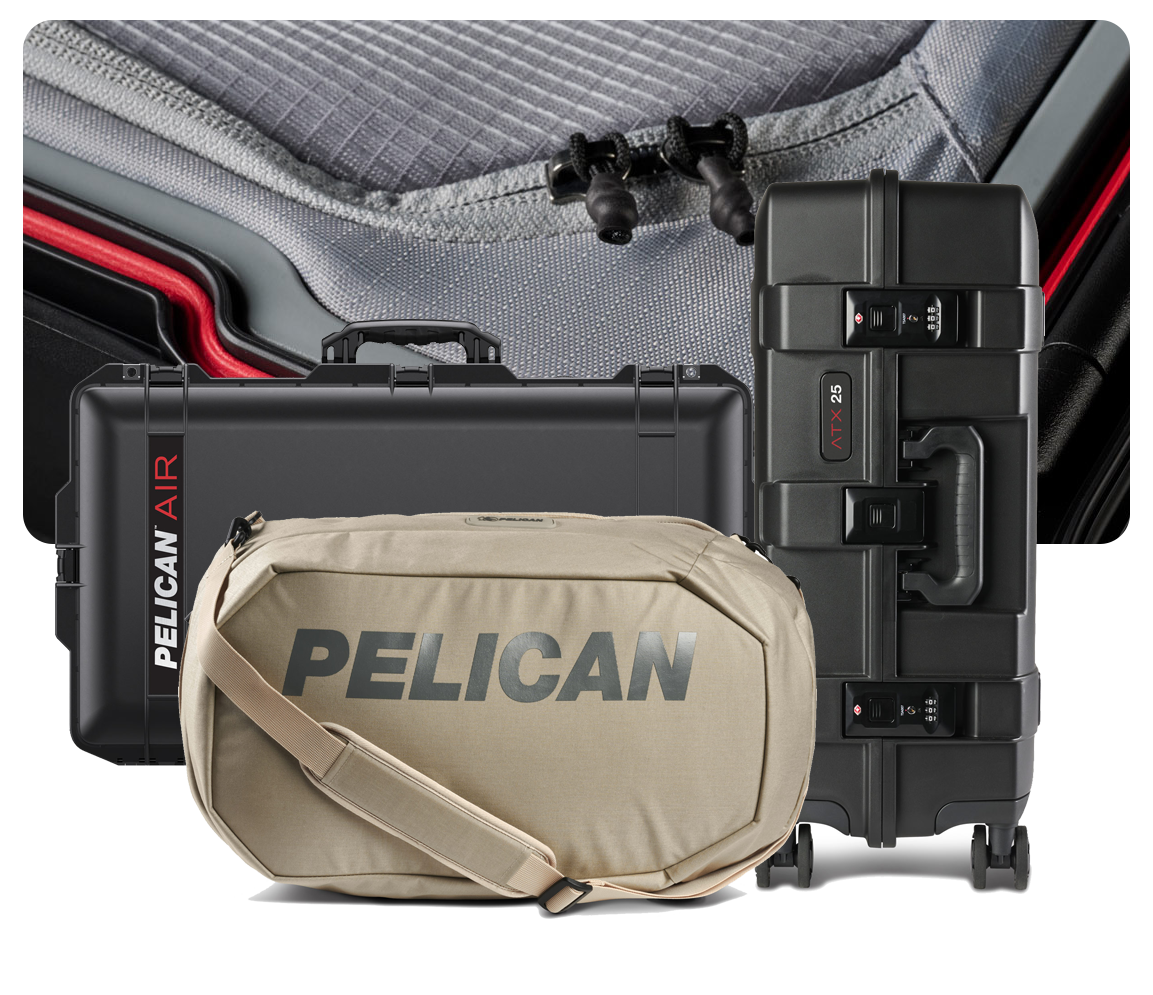
Advanced tech gadgets that offer protection include portable GPS trackers for luggage and children, smart luggage with built-in locks and charging, personal security apps, and portable VPN routers. GPS trackers show real-time location data. This is helpful for lost bags or keeping track of family members. Smart luggage adds convenience with built-in scales and power banks, along with strong security features. Personal safety apps can send distress signals or share your location quietly. These tools use technology to enhance your safety, giving you digital peace of mind.
FAQ 15: When should I consider specialized protective gear for extreme trips?
Specialized protective gear is crucial for extreme trips that involve high-risk activities like mountaineering, deep-sea diving, or wilderness expeditions. This gear may include satellite phones, bear-resistant food containers, medical kits, personal locator beacons (PLBs), or ballistic protection, depending on the risks. Regular travel gear isn't enough for these situations. You need equipment built for survival and harsh conditions. Always check with experts and local guides for the best gear.