




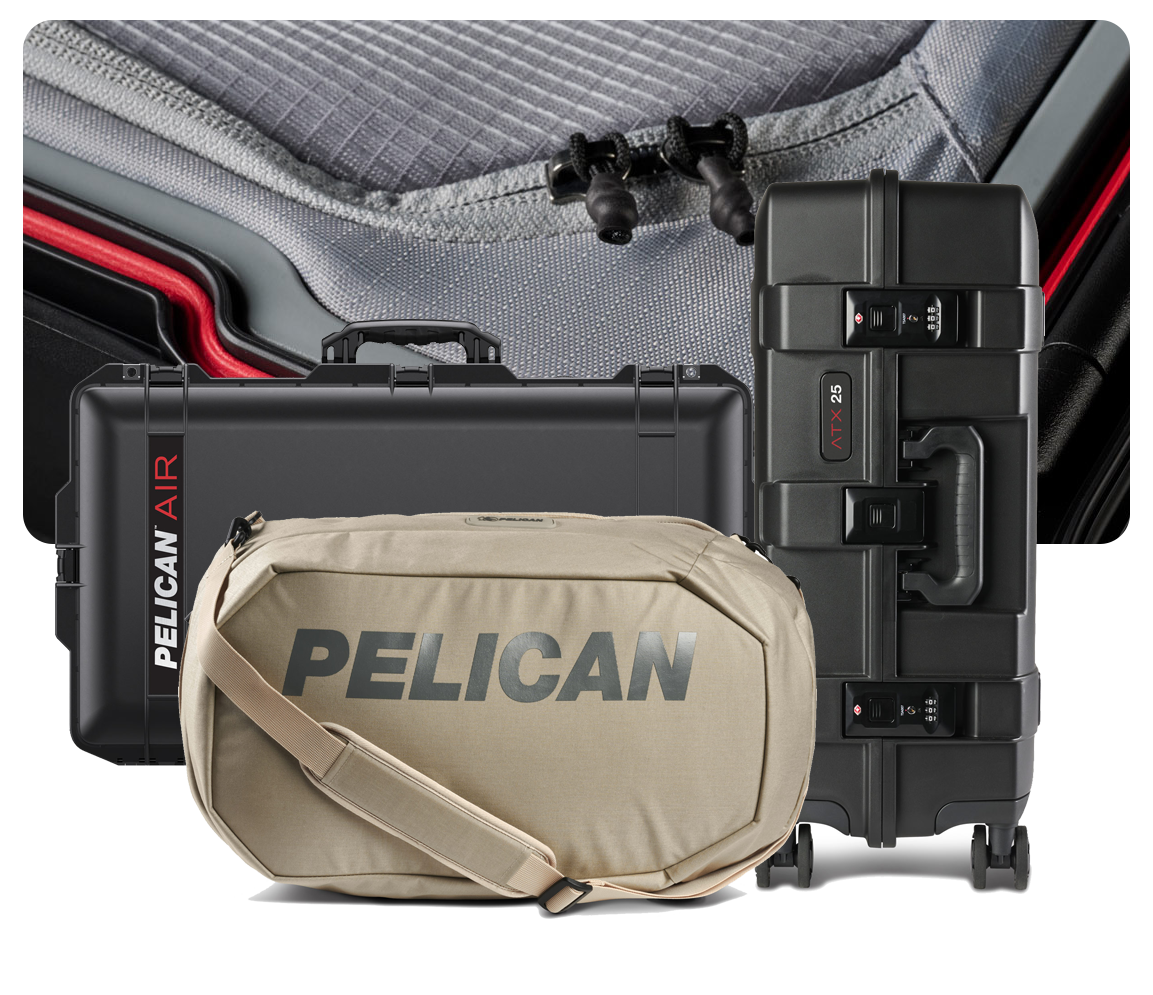

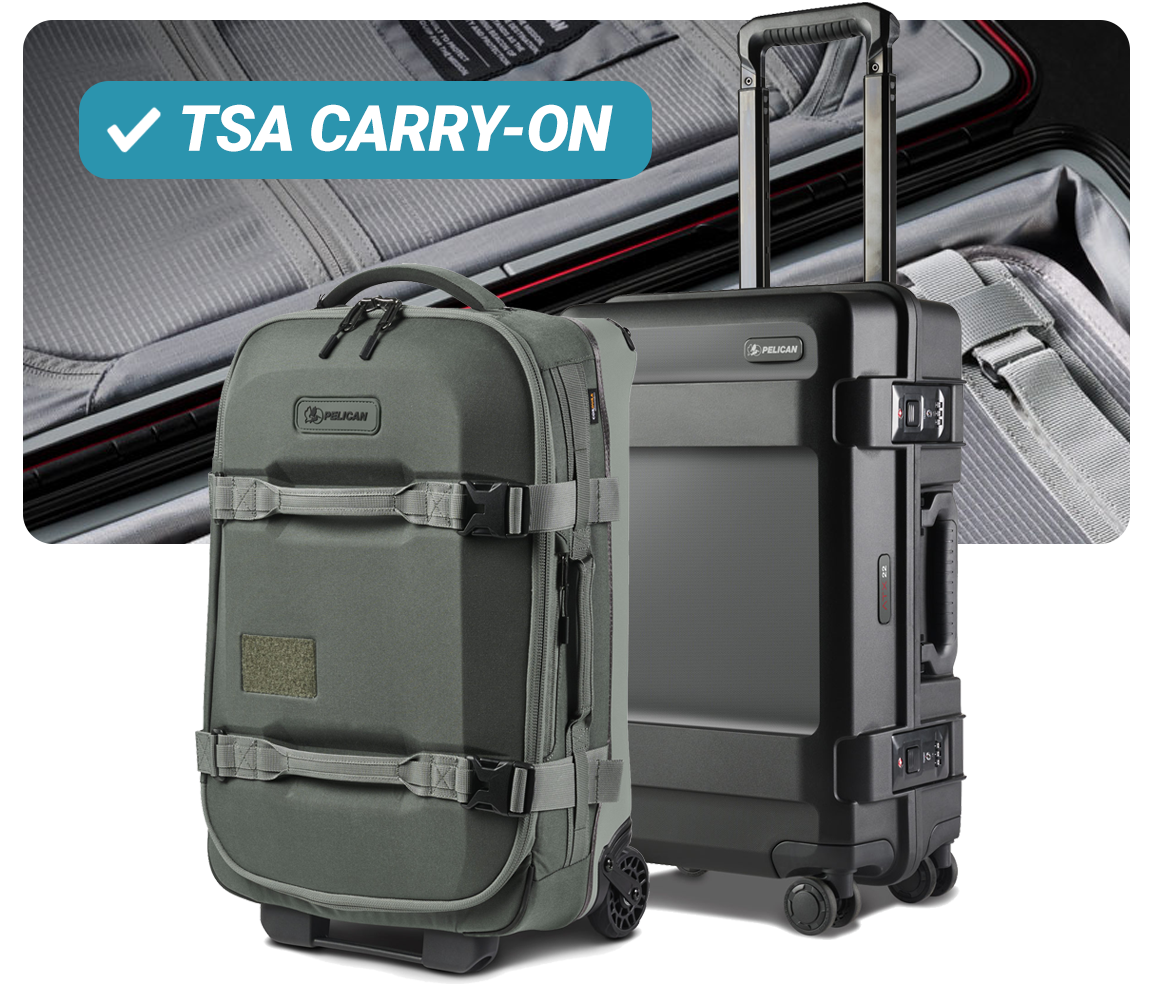

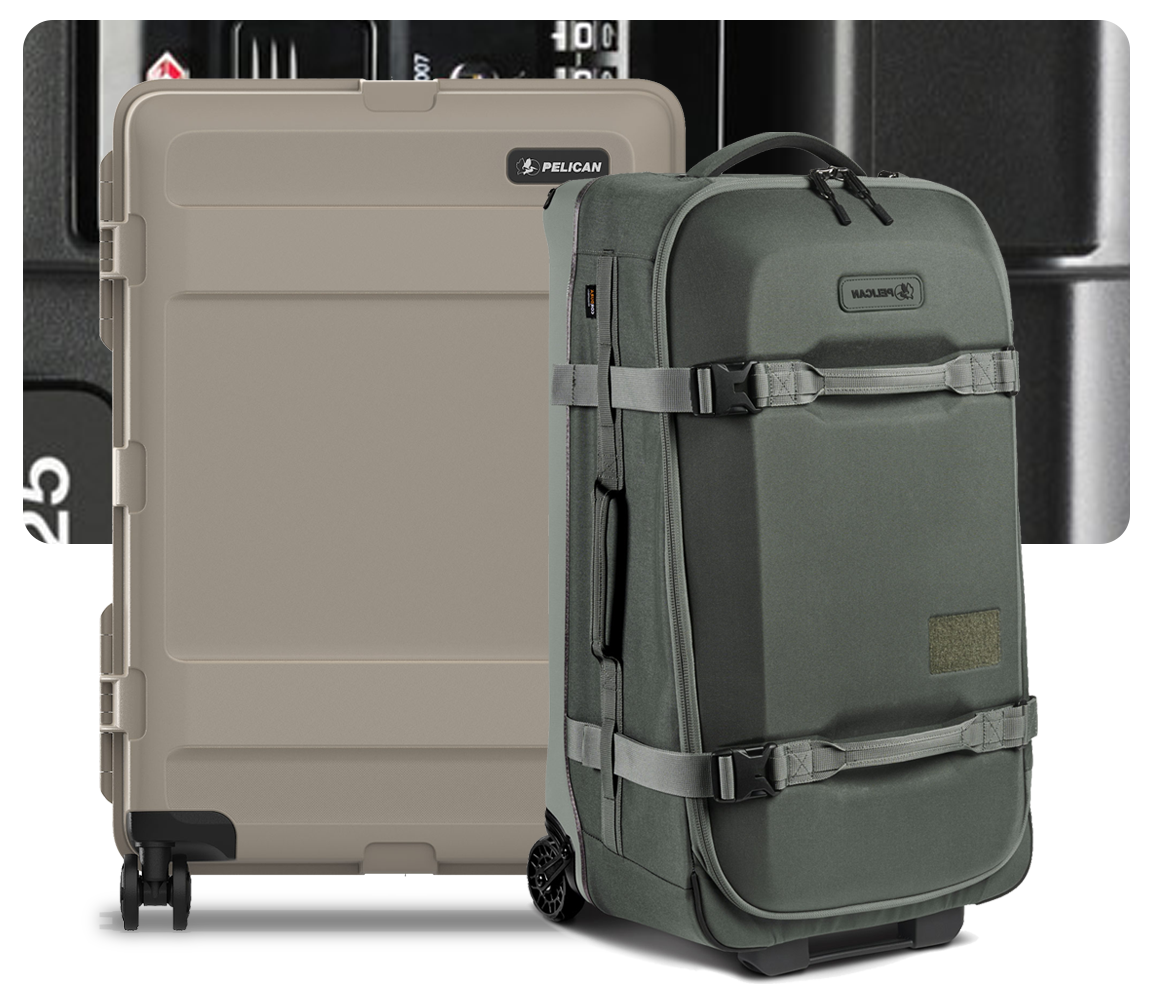

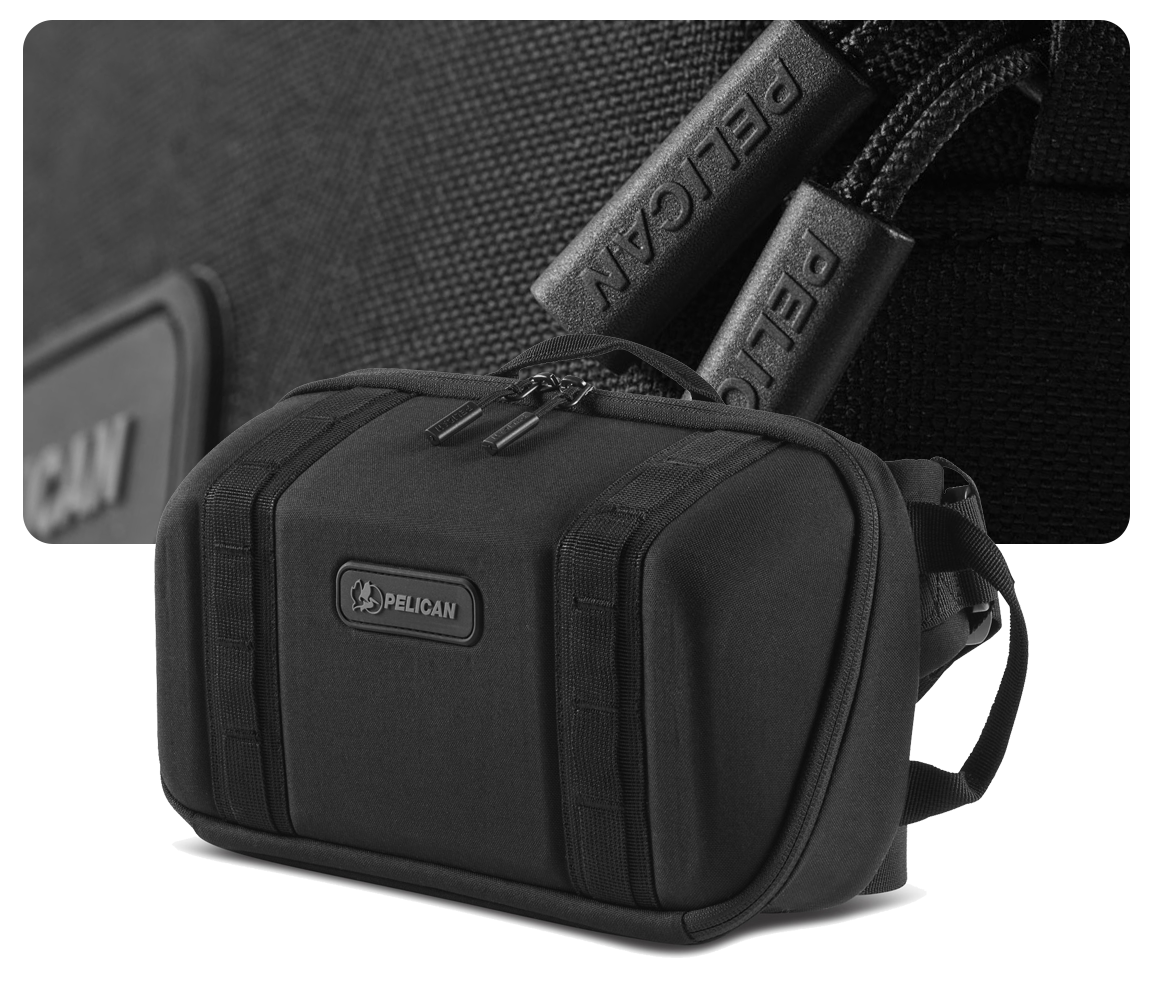

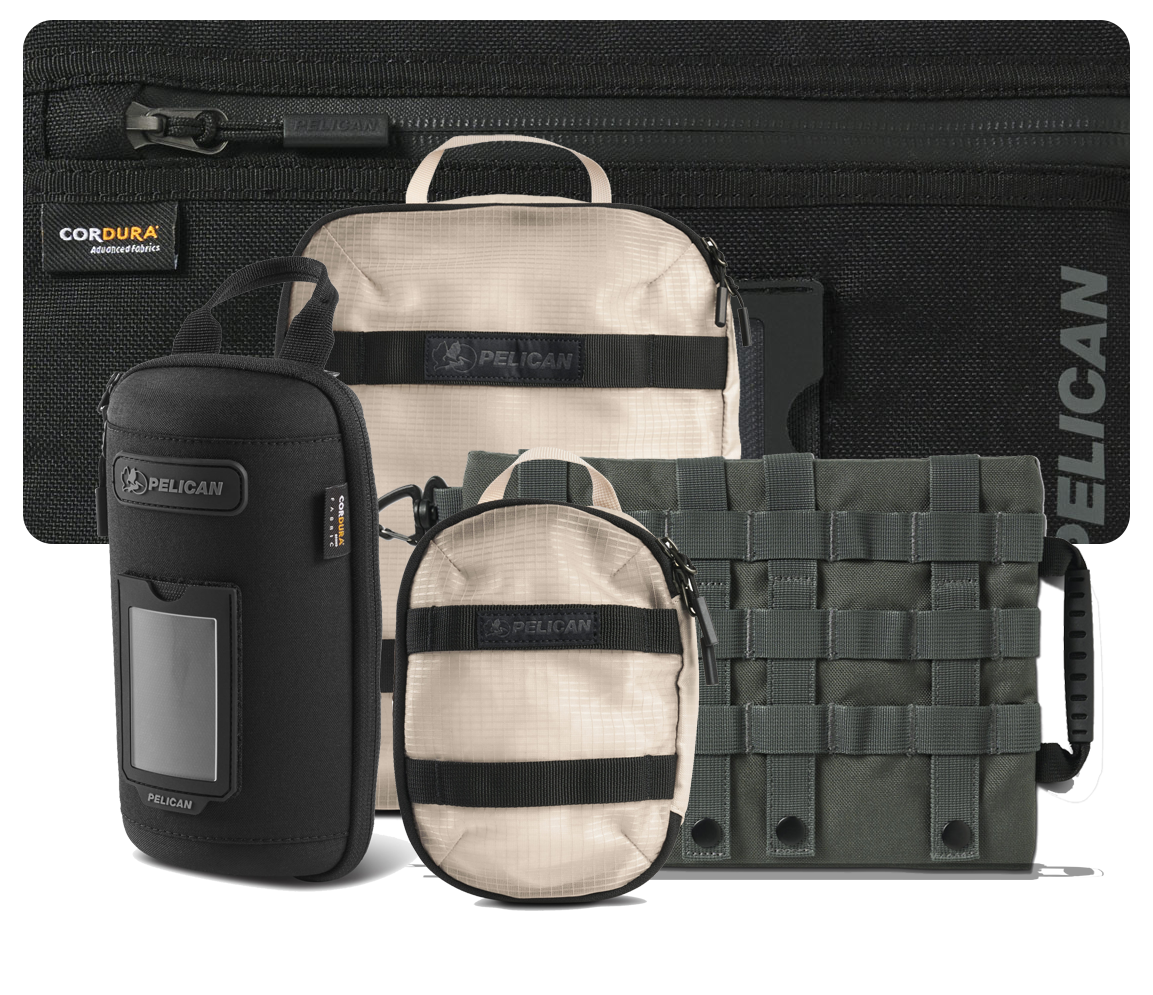





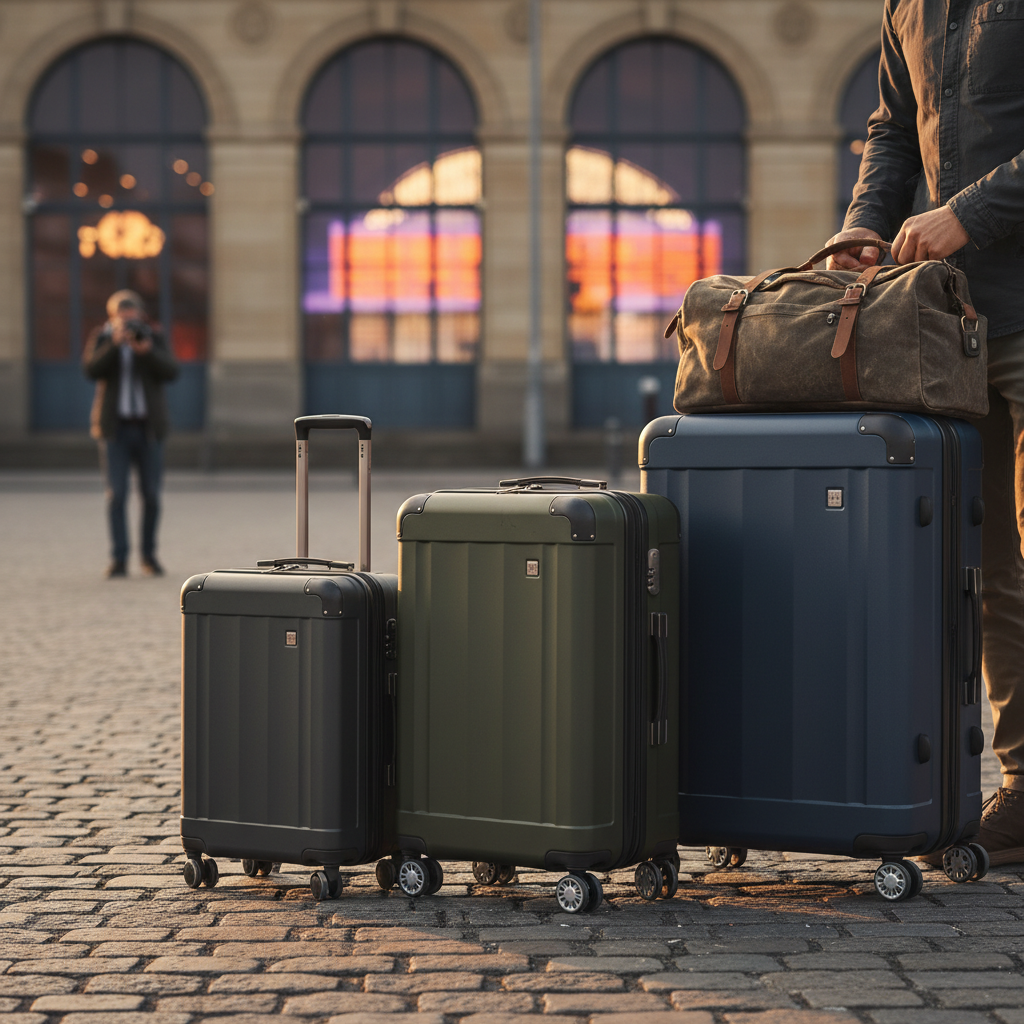

Mastering Travel: The Ultimate Guide to Durable Rolling Luggage
Beyond the Baggage Claim: Invest in Cases That Endure Every Journey

Quick Summary / Key Takeaways
- Choose luggage made from polycarbonate, aluminum, or ballistic nylon. These materials resist impact and wear well. So, avoid cheaper, flimsy options.
- Inspect wheel quality closely. Choose recessed double spinner wheels made of strong rubber or polyurethane. This choice ensures easy maneuverability and better damage resistance.
- Always check the telescopic handle. Look for sturdiness, minimal wobble, and smooth extension. Make sure it can handle repeated stress and heavy loads.
- Choose high-quality, self-repairing zippers, like YKK, or strong coil zippers. Zippers often fail in less durable travel cases.
- A strong warranty (5+ years) from a trusted brand shows confidence in the product. It gives you peace of mind about your investment.
Introduction
Have you ever seen a battered suitcase at a baggage carousel? Or struggled with a stuck wheel in a busy airport? We’ve all been there. Travel can be hard on our belongings, especially luggage. Choosing a sturdy rolling case isn’t just about avoiding wrinkles or broken souvenirs; it’s about peace of mind. You want to trust your bag can handle many trips, whether over cobblestones or along conveyor belts. This isn’t luxury; it’s smart travel. This guide cuts through the marketing hype to show what makes a case truly durable. We’ll cover materials, parts, features, and maintenance tips based on real travel experiences. Get ready to improve your travel, one reliable roll at a time.
Comparative Durability of Common Luggage Materials
| Material Type | Impact Resistance | Scratch Resilience | Typical Weight |
|---|---|---|---|
| Polycarbonate | Excellent (flexible) | Good | Moderate |
| Aluminum | Excellent (rigid) | Low (dings/scratches) | Heavy |
| Ballistic Nylon | Very Good (abrasion) | Very Good | Light-Moderate |
| ABS Plastic | Fair (brittle) | Good | Light |
Critical Components: Durability & Performance Factors
| Component | Durability Factor | Common Failure | Expert Tip |
|---|---|---|---|
| Wheels | Material (rubber/PU), Recessed design | Breaking off, Sticking | Seek double spinner, large diameter |
| Handle | Multi-stage, Minimal wobble, Internal frame | Jammed, Broken release | Test full extension with weight |
| Zippers | Self-repairing coils, Large gauge teeth | Splitting, Snagging | Look for YKK or similar high-grade |
| Shell/Frame | Material density, Reinforced corners | Cracking, Bending | Consider internal frame, strong welds |
Rolling Luggage Buying Checklist
- Define your travel style and how often you travel. This helps you pick the right luggage. For checked bags, choose hard-side. For carry-ons, select soft-side. Pick rolling luggage to make moving around easier on your usual routes and travel conditions.
- Research primary materials like polycarbonate, aluminum, and ballistic nylon. Each material has strengths and weaknesses. This knowledge helps you pick rolling luggage that balances durability, light weight, and impact protection.
- Check the wheels for smooth 360-degree rotation and minimal play. Test the handle for stability. This helps your rolling luggage move easily through airports, streets, and tight spaces.
- Check the zipper quality. YKK is a good brand. Ensure it operates smoothly and feels strong. This keeps your rolling luggage secure and durable for frequent use.
After-Trip Luggage Care Checklist
- Clean your travel case often. Use the right methods for its material. This prevents dirt buildup and wear. It also keeps it stain-resistant and maintains surface quality.
- Store your luggage in a cool, dry place. Keep it away from direct sunlight. This helps avoid damage and keeps the color and shape intact.
- Don't overpack. Too much weight can strain zippers and seams. This may shorten your case's lifespan and lead to tears or distortion.
- Regularly check wheels, handles, and zippers. Look for signs of wear. Fix small issues early to prevent costly repairs or trip delays.
Table of Contents
Section 1: Why Durability Matters on the Road
- Why is investing in durable luggage essential for frequent travelers?
- What are the hidden costs of cheap, flimsy travel cases?
- How does luggage durability impact travel stress and experience?
Section 2: Unpacking Key Durability Factors & Materials
- Which luggage materials offer the best balance of strength and weight?
- How does polycarbonate compare to aluminum in terms of impact resistance?
- What makes ballistic nylon a top choice for soft-sided durable cases?
- Are cheaper materials like ABS or polypropylene ever a good option for durability?
- What role does frame construction play in a case's overall resilience?
- How do hard-sided cases handle impact differently than soft-sided ones?
Section 3: Critical Features for Long-Lasting Travel Cases
- What kind of wheels are most durable and easiest to maneuver?
- How can I assess the quality and strength of a luggage handle?
- Why are zipper quality and design so crucial for luggage longevity?
- What internal features contribute to a case's structural integrity?
Section 4: Maintaining Your Investment: Care & Warranty
- What are the best practices for maintaining the durability of my travel case?
- How important is a warranty when purchasing a durable rolling travel case?
Frequently Asked Questions
Section 1: Why Durability Matters on the Road
FAQ 1: Why is investing in durable luggage essential for frequent travelers?
Investing in durable luggage is essential for frequent travelers. It protects your belongings, cuts replacement costs, and eases travel stress. High-quality cases withstand tough handling by airlines and various travel conditions. This durability helps you spend less time shopping for new bags and enjoy more peace of mind. In the end, a sturdy case is a reliable travel companion.
FAQ 2: What are the hidden costs of cheap, flimsy travel cases?
The hidden costs of cheap travel cases extend beyond their low price. They can lead to damage to your belongings, frequent replacements, and added travel stress. A weak case may tear or break, risking loss or damage to your items. This can mean hundreds in repair or replacement costs. If a wheel or handle breaks during a trip, you might need to pay for airport bag wrap or an expensive replacement. These costs add up, making those initial savings misleading.
FAQ 3: How does luggage durability impact travel stress and experience?
Luggage durability affects travel stress and experience, as it gives you confidence that your belongings are safe. Knowing your bag can handle airport wear or rough terrain eases worries about broken zippers or cracked shells. This peace of mind lets you enjoy travel instead of stressing over baggage. A sturdy case boosts the efficiency and enjoyment of your trip.
Section 2: Unpacking Key Durability Factors & Materials
FAQ 4: Which luggage materials offer the best balance of strength and weight?
Polycarbonate usually gives the best balance of strength and weight. It has great impact resistance and remains light for hard-side cases. Its flexibility absorbs impacts without cracking, which is better than brittle plastics. For soft-side cases, high-denier ballistic nylon or CORDURA® nylon are excellent picks. They resist abrasion well without adding bulk. The best material depends on your travel needs, but these options are always top performers.
FAQ 5: How does polycarbonate compare to aluminum in terms of impact resistance?
Polycarbonate is more impact-resistant because it can flex and absorb shocks without cracking. Aluminum is strong and rigid, but it dents or scratches easily. This is due to its lack of flexibility. Both materials are durable, but polycarbonate can return to its original shape. This makes it better at handling severe impacts. Aluminum shows signs of wear faster.
FAQ 6: What makes ballistic nylon a top choice for soft-sided durable cases?
Ballistic nylon is a popular choice for soft-sided cases due to its durability. It resists abrasion, tears, and wear. Originally made for military flak jackets, its dense weave and high denier count (usually 1050D or 1680D) provide excellent protection against scuffs and punctures. It also withstands moisture, keeping your belongings safe. This material is built for tough environments.
FAQ 7: Are cheaper materials like ABS or polypropylene ever a good option for durability?
Cheaper materials like ABS (Acrylonitrile Butadiene Styrene) and polypropylene (PP) aren't great for durability. They’re better for light, occasional use, especially during rough travel. ABS is more brittle than polycarbonate and can crack easily. PP is more flexible but still not as strong. These materials are lighter and cheaper, making them ideal for budget travelers. However, they won’t last as long as premium options, so expect a shorter lifespan.
FAQ 8: What role does frame construction play in a case's overall resilience?
Frame construction is key for a case's strength. It provides support that prevents warping, crushing, and bending. A robust internal frame, often made of lightweight aluminum or reinforced plastic, supports the outer shell and internal components, especially around the handle and wheels. Without a strong frame, even tough outer materials can sag or distort under pressure, putting the entire case at risk. This crucial element is key for load-bearing and maintaining its shape.
FAQ 9: How do hard-sided cases handle impact differently than soft-sided ones?
Hard-sided cases handle impacts by deflecting force or deforming to absorb it. This depends on the shell material. Soft-sided cases absorb impact through material compression and flexibility.Polycarbonate hard-sided cases flex to spread energy. This cuts down on damage to contents, but they may scuff. Aluminum cases resist punctures but can dent easily. Soft-sided cases, often made of nylon or polyester, cushion impacts to protect items inside, though the fabric can tear or fray. Both types offer advantages based on the level of protection needed.
Section 3: Critical Features for Long-Lasting Travel Cases
FAQ 10: What kind of wheels are most durable and easiest to maneuver?
The best wheels for durability and easy movement are double-spinner wheels made of strong rubber or polyurethane. These wheels should sit recessed in the case. Double-spinner wheels distribute weight evenly, improving stability and reducing wear. Their spinner feature allows for 360-degree rotation, enabling smooth gliding in any direction. Recessed mounting protects the wheels from impacts that can cause breakage. Stay away from weak, small plastic wheels that stick out too much.
FAQ 11: How can I assess the quality and strength of a luggage handle?
You can assess luggage handle quality and strength by checking for minimal wobble, smooth extension, multiple locking stages, and strong materials. A good luggage handle extends and retracts smoothly without sticking. It should have little side movement when fully extended. Look for handles made of aircraft-grade aluminum or reinforced steel. They must be securely attached to the internal frame, not just the outer shell. Firmly pull and push the extended handle to test its stability and load capacity.
FAQ 12: Why are zipper quality and design so crucial for luggage longevity?
Zipper quality and design are crucial for luggage durability. They often fail, affecting security and access to your bag's contents. Poor zippers, like those with small plastic teeth, can split, snag, or break. This makes your bag unusable or insecure. High-quality self-repairing coil zippers, like YKK, or strong chain zippers with larger teeth offer better strength and damage resistance. This keeps your bag functional and secure. Also, reinforced stitching around the zipper is essential.
FAQ 13: What internal features contribute to a case's structural integrity?
Several internal features boost your case's strength. They help it maintain shape and protect contents under stress. These features include internal frame systems made of aluminum or fiberglass rods, strong corner guards, and compression straps. An internal frame provides solid support, preventing buckling. Corner guards reinforce stress points that may take impact. Strong internal compression straps secure packed items and help the case keep its shape when fully loaded, spreading pressure evenly. These elements combine to create a sturdy structure.
Section 4: Maintaining Your Investment: Care & Warranty
FAQ 14: What are the best practices for maintaining the durability of my travel case?
To keep your travel case durable, follow these best practices: regular cleaning, proper storage, avoiding overpacking, and periodic inspections. Clean both the outside and inside after every trip. Use suitable cleaning agents to prevent grime buildup. Store the case in a cool, dry place, away from sunlight. A dust bag offers extra protection. Avoid overpacking; it can strain zippers, seams, and the frame. Check the wheels, handles, and zippers for wear regularly. Fix small issues before they turn into bigger problems.
FAQ 15: How important is a warranty when purchasing a durable rolling travel case?
A solid warranty is essential when buying a durable rolling travel case. It reflects the manufacturer's confidence in their product's quality and lifespan. A good warranty should last at least 5 years or even be a lifetime guarantee. This protects you against defects and, sometimes, wear and tear. It shows the company stands by its work, giving you peace of mind and saving you money if issues arise. Always read the warranty terms carefully.