













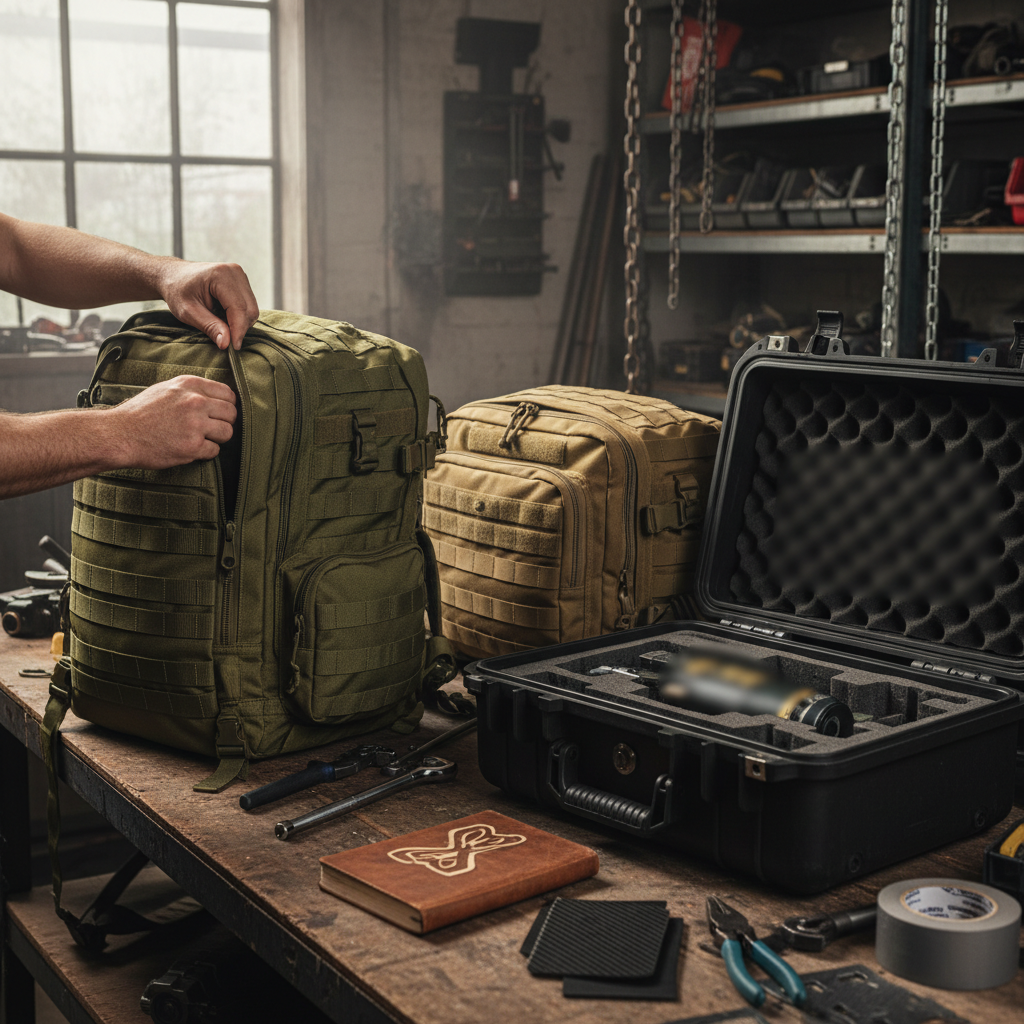

Unpacking Durability: The Ultimate Guide to Military-Grade Luggage
Built to Last: Understanding What Makes Luggage Truly Indestructible

Quick Summary / Key Takeaways
- Military-grade luggage features high-quality materials, strong construction, and strict testing standards. It outperforms consumer-grade products in extreme conditions.
- Key features include ballistic nylon, YKK self-repairing zippers, reinforced stitching, and strong wheel systems. These elements ensure military-grade durability and prevent failure under pressure.
- Military-grade luggage is often heavier and pricier, but it offers unmatched durability and protection. This makes it perfect for frequent travelers, adventurers, and professionals.
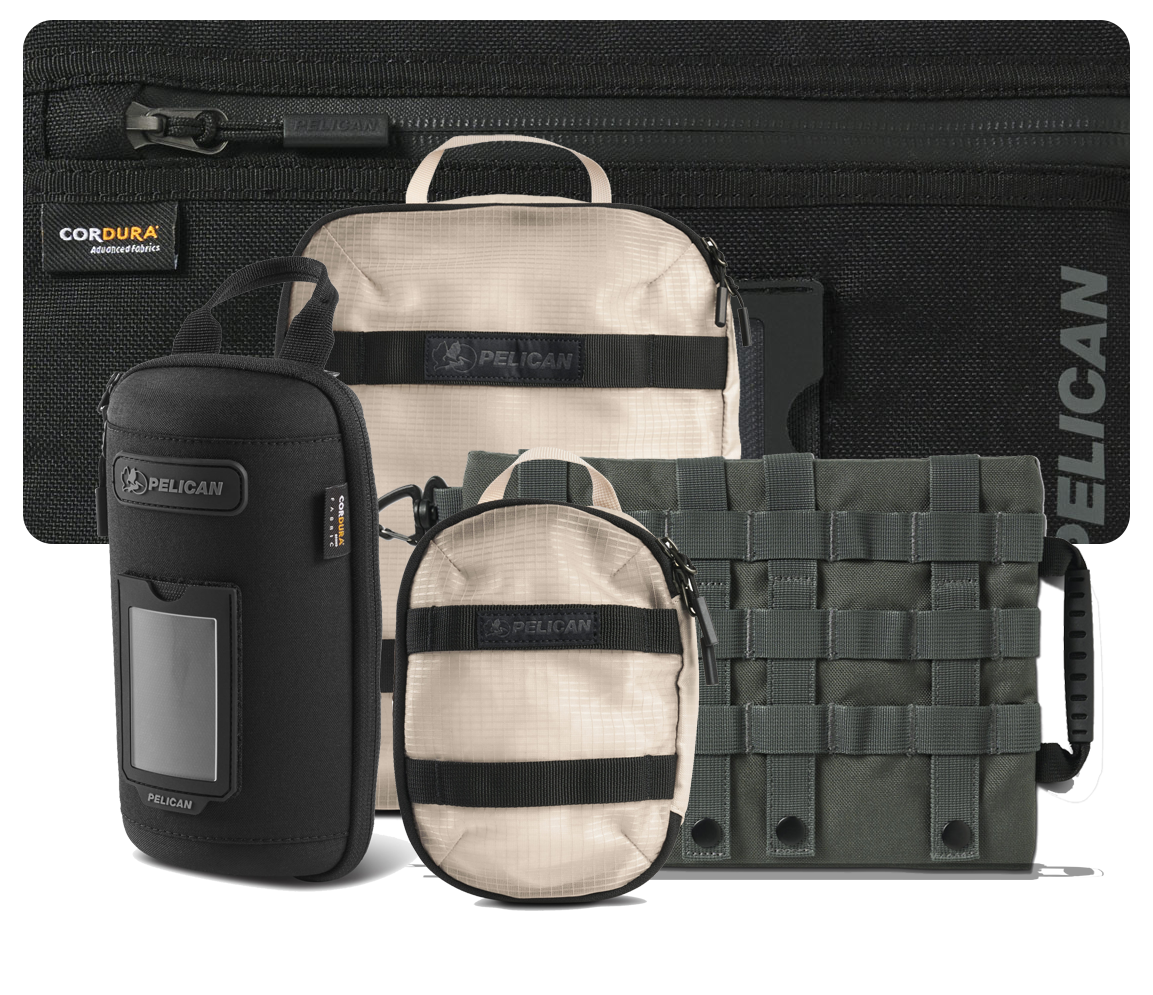
- When checking 'military-grade' claims, focus on verified material specs like CORDURA fabric and 1000D nylon. Also, look for independent testing certifications and user reviews from tough environments.
- Taking care of your military-grade luggage helps it last longer. Clean it, lubricate moving parts, and store it away from direct sunlight.
Introduction
In a world where travel tests gear to its limits, "military-grade luggage" symbolizes unmatched durability. This term is not just marketing; it shows a focus on materials, build quality, and rigorous testing meant to endure harsh conditions. Military personnel and extreme adventurers depend on gear that must not fail. This necessity has led to luggage that protects your valuables, ensuring your essentials reach you intact, no matter the journey. But what truly defines this elite category? Is it just thick fabric, or is there real science behind its strength? We explore the core components, innovative designs, and careful craftsmanship that set truly indestructible luggage apart from weaker options. Get ready to uncover the secrets of gear made for survival.
Military-Grade vs. Standard Luggage: Key Material Differences
| Feature | Military-Grade Standard | Common Consumer Luggage | Durability Score (1-5) |
|---|---|---|---|
| Main Fabric | 1000D CORDURA/Ballistic Nylon | 600D Polyester/ABS Plastic | 5 |
| Zippers | YKK Self-Repairing/Heavy-Duty | Generic Coil Zippers | 5 |
| Stitching | Reinforced Bar-Tack/Double Stitch | Single Stitching | 4 |
| Hardware (Buckles) | ITW Nexus/Duraflex (Nylon) | Standard Plastic/Metal Alloys | 4 |
Comparison of Top-Tier Durable Luggage Materials
| Material Type | Abrasion Resistance | Water Resistance | Weight Profile | Common Use Cases |
|---|---|---|---|---|
| 1000D CORDURA Nylon | Excellent | Good (coated) | Moderate to Heavy | Backpacks, Duffels, Tactical Gear |
| 1680D Ballistic Nylon | Excellent | Good (PU coated) | Heavy | Travel Bags, Briefcases, Luggage |
| Hypalon (Synthetic Rubber) | Superior | Excellent | Moderate | Reinforcements, Straps, Welded Bags |
| Polycarbonate (Hard Shell) | Good (Impact) | Excellent | Light to Moderate | Hardside Spinner Luggage |
Military-Grade Luggage Preparation Checklist
- Check mission and travel needs, like climate, gear type, and transport methods. This ensures your military-grade luggage is ready for tough conditions.
- Check reputable brands with real military-grade specs and testing. This way, you can ensure your military-grade luggage is truly durable and performs well, not just marketed well.
- Check the material specs, zipper types, handle builds, and wheel strength. This will ensure your military-grade luggage can handle heavy loads, rough terrain, and frequent use.
- Check independent reviews and testing reports. Don’t rely solely on marketing claims. This helps you see how military-grade luggage holds up in tough conditions and over time.
Military-Grade Luggage Post-Trip Maintenance Checklist
- Clean the fabric and hardware often. This stops grime buildup and keeps your military-grade luggage strong and looking good.
- Check all zippers, buckles, and handles for wear after each tough trip. This helps spot early signs of stress on your military-grade luggage before they get worse.
- Lubricate moving parts, like wheels and handles. This keeps your military-grade luggage operating smoothly. It helps maneuver easily over rough or uneven surfaces.
- Store your luggage in a cool, dry spot. Keep it out of direct sunlight. This helps protect the fabric and coatings. It also boosts the long-term durability of your military-grade luggage.
Table of Contents
Section 1: Understanding Military-Grade Durability
- What defines "military-grade" luggage beyond marketing hype?
- How do materials in military-grade luggage differ from commercial bags?
- What specific standards or certifications apply to military-grade gear?
- Can military-grade luggage be stylish, or is it purely utilitarian?
Section 2: Key Features and Construction
- What are the essential components of genuinely durable luggage?
- Why are YKK zippers considered superior in military-grade applications?
- How important is stitching and reinforcement in overall luggage durability?
- What makes the wheels and handles on military-grade bags so robust?
- Are hard-sided or soft-sided bags more truly "military-grade"?
Section 3: Buying Guide and Applications
- Who truly benefits from investing in military-grade luggage?
- What are the cost implications of choosing military-grade options?
- How can I spot fake or overhyped "military-style" luggage?
- What should I prioritize when selecting military-grade luggage for air travel?
Section 4: Care and Longevity
- What is the expected lifespan of genuine military-grade luggage?
- What maintenance tips extend the life of high-durability bags?
Frequently Asked Questions
Section 1: Understanding Military-Grade Durability
FAQ 1: What defines "military-grade" luggage beyond marketing hype?
Military-grade luggage meets strict material standards and tough testing protocols, often following MIL-SPEC guidelines. It uses ballistic-grade nylons, reinforced stitching, and heavy-duty hardware that endure harsh conditions. The design prioritizes functional endurance over looks, ensuring reliability in tough situations. True military-grade gear is built to be tough, not just to appear tough. The goal is to prevent failure points when under stress.
FAQ 2: How do materials in military-grade luggage differ from commercial bags?
Military-grade luggage uses stronger materials like 1000D CORDURA or 1680D ballistic nylon. These fabrics resist abrasion and tearing better than the 300-600D polyester found in regular bags. They often have durable water repellent (DWR) coatings or polyurethane for added weather protection. Also, the hardware, like buckles and zippers, is industrial grade. It's made from tough materials like acetal polymer or self-healing metals, ensuring it can handle heavy loads and rough use. This choice of materials keeps the bag strong, even after rough handling. It's a key difference in quality and purpose.
FAQ 3: What specific standards or certifications apply to military-grade gear?
There isn’t a universal "military-grade" certification for commercial luggage. However, many manufacturers use MIL-SPEC (Military Specifications) standards for materials and components found in military gear. For instance, fabrics may follow MIL-C-43734 (for nylon duck), while hardware could meet certain strength requirements. Reputable brands usually perform strict testing that simulates military-grade durability. This includes drop tests, abrasion tests, and cycle tests for zippers and wheels. Check for proof of these tests or claims about material standards. These unofficial tests often go beyond what consumers expect.
FAQ 4: Can military-grade luggage be stylish, or is it purely utilitarian?
Yes, modern military-grade luggage can be stylish as it blends utility with contemporary style. Many brands now offer sleek designs in tactical colors like black, olive drab, or coyote brown. This appeals to a wider audience.The strong build and clean lines create a rugged sophistication. Urban professionals and adventure travelers often prefer this look. While functionality is key, aesthetics are changing too. You can find durable bags that look great at both an airport lounge and a campsite.
Section 2: Key Features and Construction
FAQ 5: What are the essential components of genuinely durable luggage?
The key parts of durable luggage are high-denier ballistic nylon or CORDURA fabric, self-repairing YKK zippers, and reinforced stitching at stress points. Strong internal or external frames, plus heavy-duty, often replaceable wheels and telescoping handles, also matter. These features work together to make luggage that resists abrasion, tears, impacts, and wear. Specialized coatings for water resistance and durable hardware like ITW Nexus buckles add to its toughness. Each part is chosen for its strength in tough conditions. This is a complete approach to design.
FAQ 6: Why are YKK zippers considered superior in military-grade applications?
YKK zippers are top choices for military-grade use. They stand out for their reliability, corrosion resistance, and self-repairing features, especially in their heavy-duty coil and Vislon series. Their precise manufacturing ensures smooth operation, even in dirty or stressful conditions. This design lowers the chances of jamming or breaking. The self-repairing coil zippers can often be fixed by moving the slider back and forth, which is crucial in tough environments. Their strong build makes them reliable when failure isn't an option. Many military contractors choose YKK zippers for their proven resilience.
FAQ 7: How important is stitching and reinforcement in overall luggage durability?
Stitching and reinforcement are key to luggage durability. They often fail first under stress, even with strong fabrics. Military-grade bags use techniques like double-stitching, bar-tacking, and box-X stitching at stress points. These include handle attachments, strap anchors, and zipper ends. This method strengthens seams and connections, stopping rips and tears during heavy loads or impacts. Strong thread, usually bonded nylon, is also vital. Without proper stitching, even the best fabric can fail. It’s the hidden strength of the bag.
FAQ 8: What makes the wheels and handles on military-grade bags so robust?
The wheels and handles on military-grade bags are built for tough conditions. They use materials and designs that are much stronger than standard luggage. Wheels are usually oversized and made from durable, impact-resistant polyurethane. They have sturdy axles and are often mounted directly to the bag's frame for better stability and easy replacement. Handles are typically reinforced and telescopic, made from aircraft-grade aluminum or heavy-duty plastic. They can handle heavy weight and torque without bending or breaking. These parts are usually bolted instead of riveted, which makes field repairs simpler. This design avoids common failure points seen in regular travel gear. It’s all about preparing for the unexpected.
FAQ 9: Are hard-sided or soft-sided bags more truly "military-grade"?
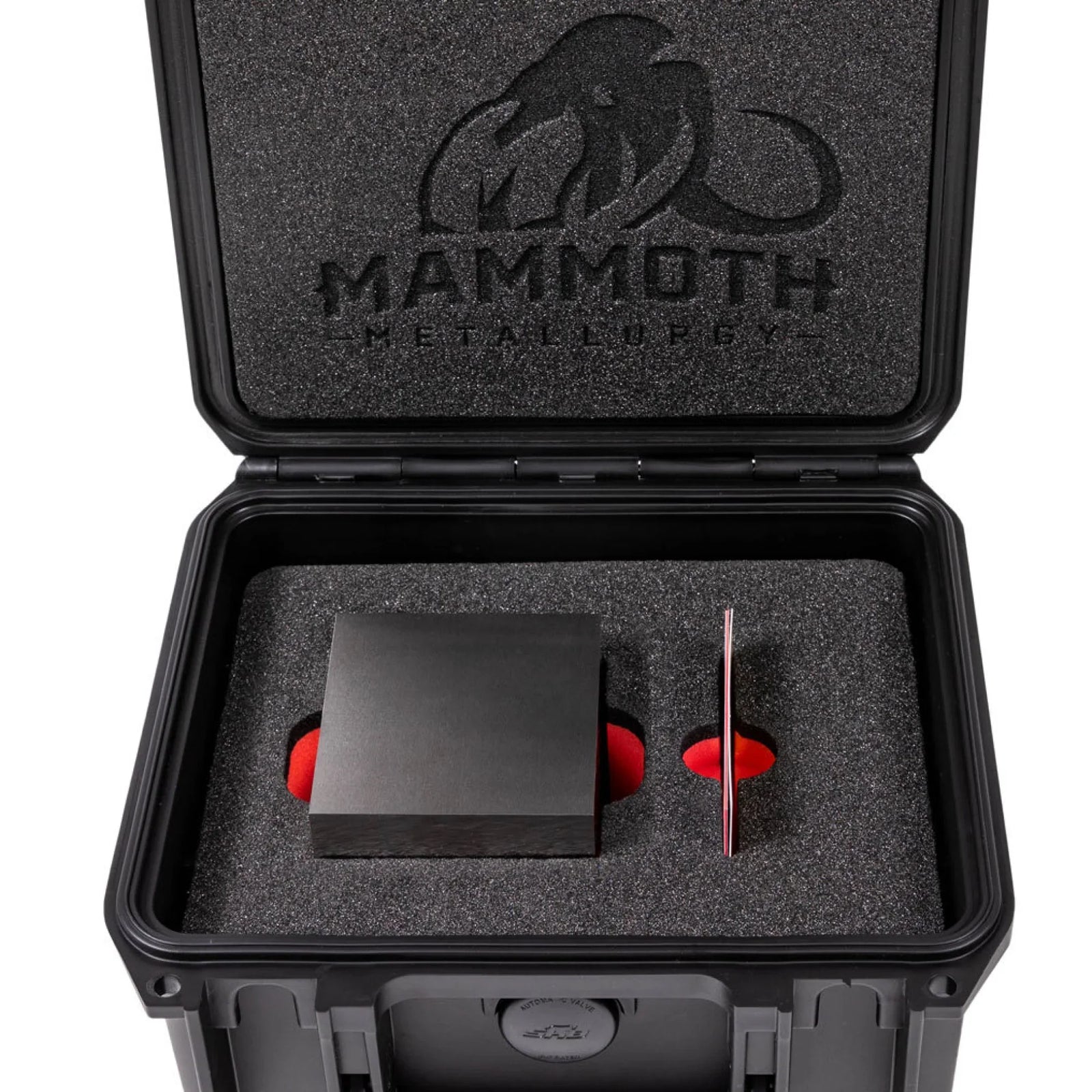
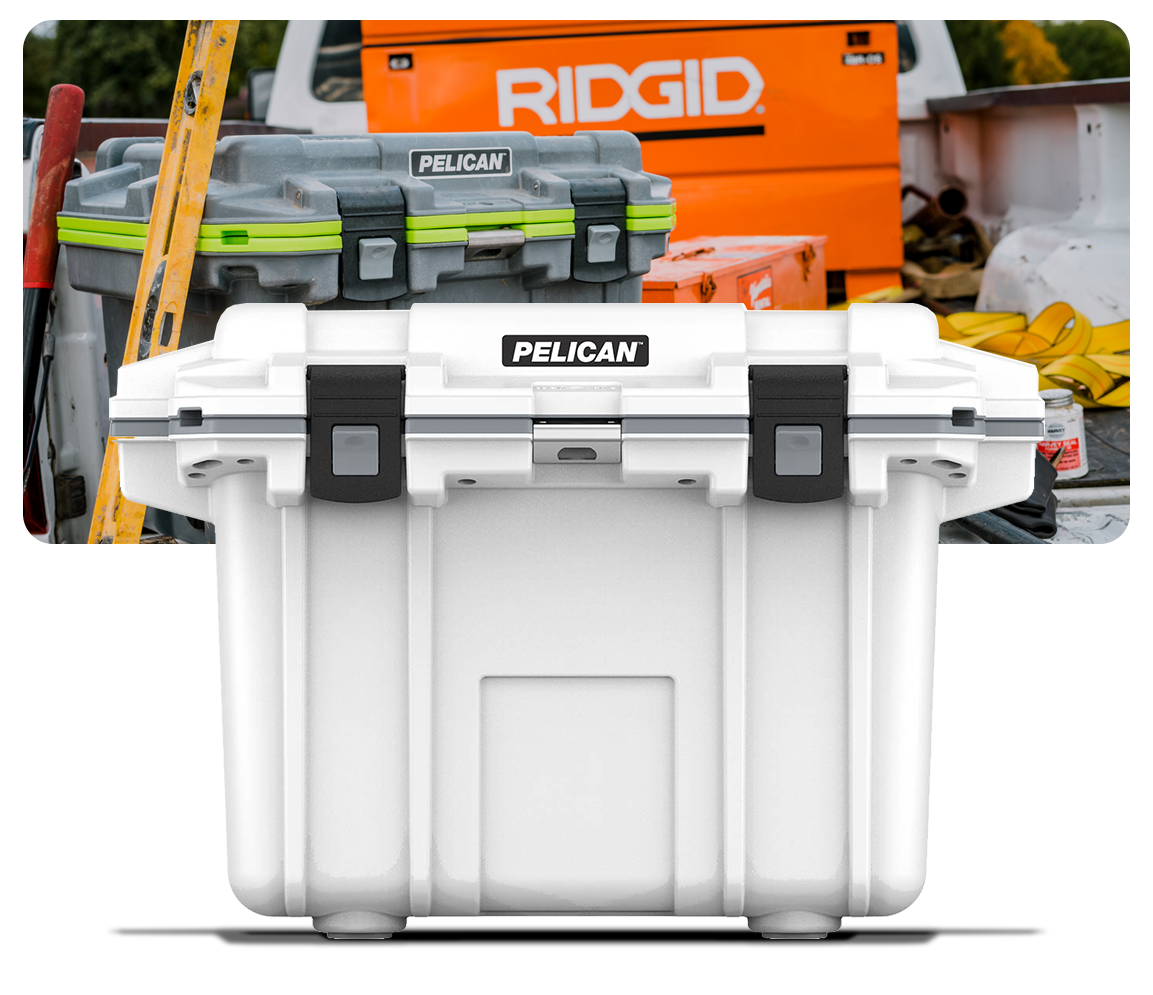
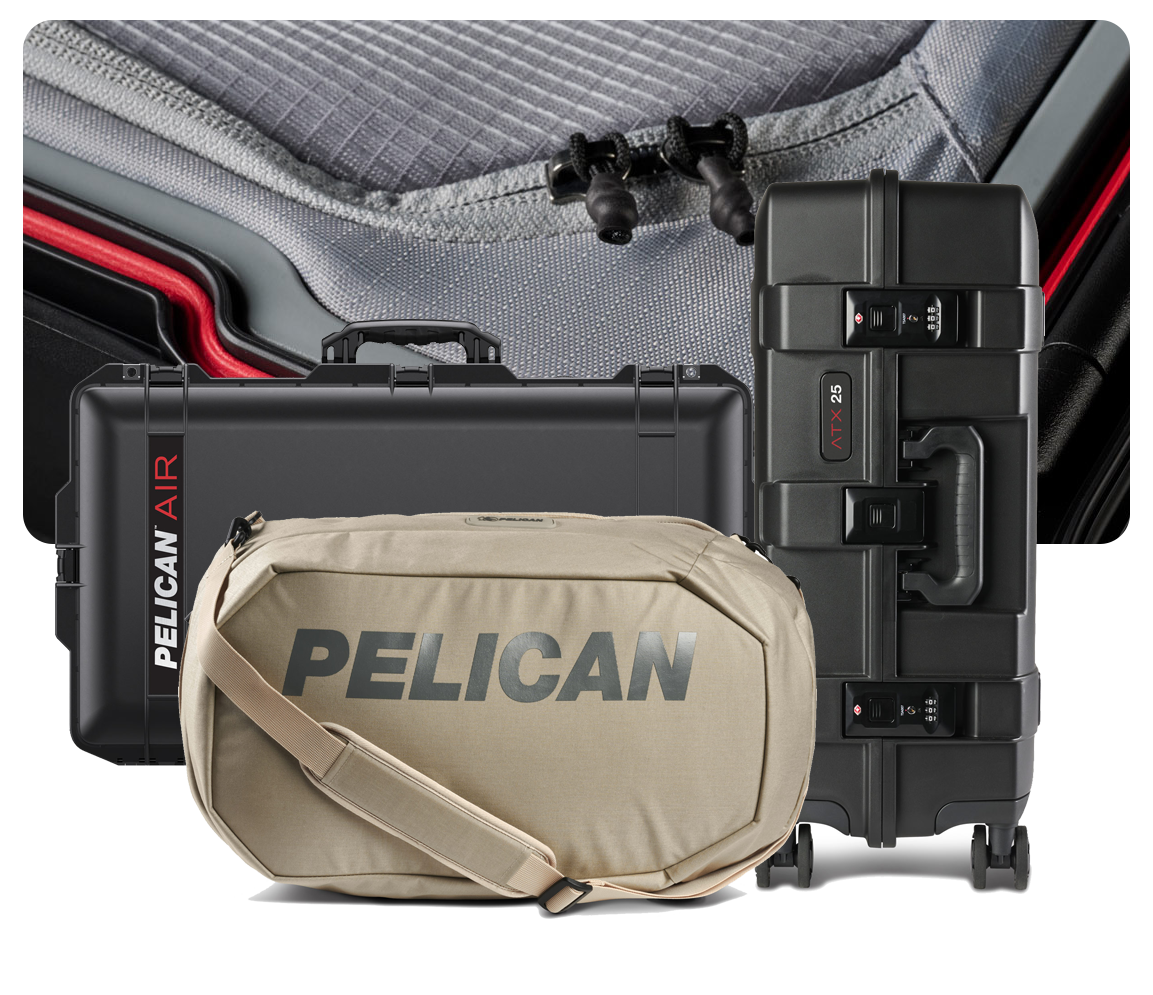
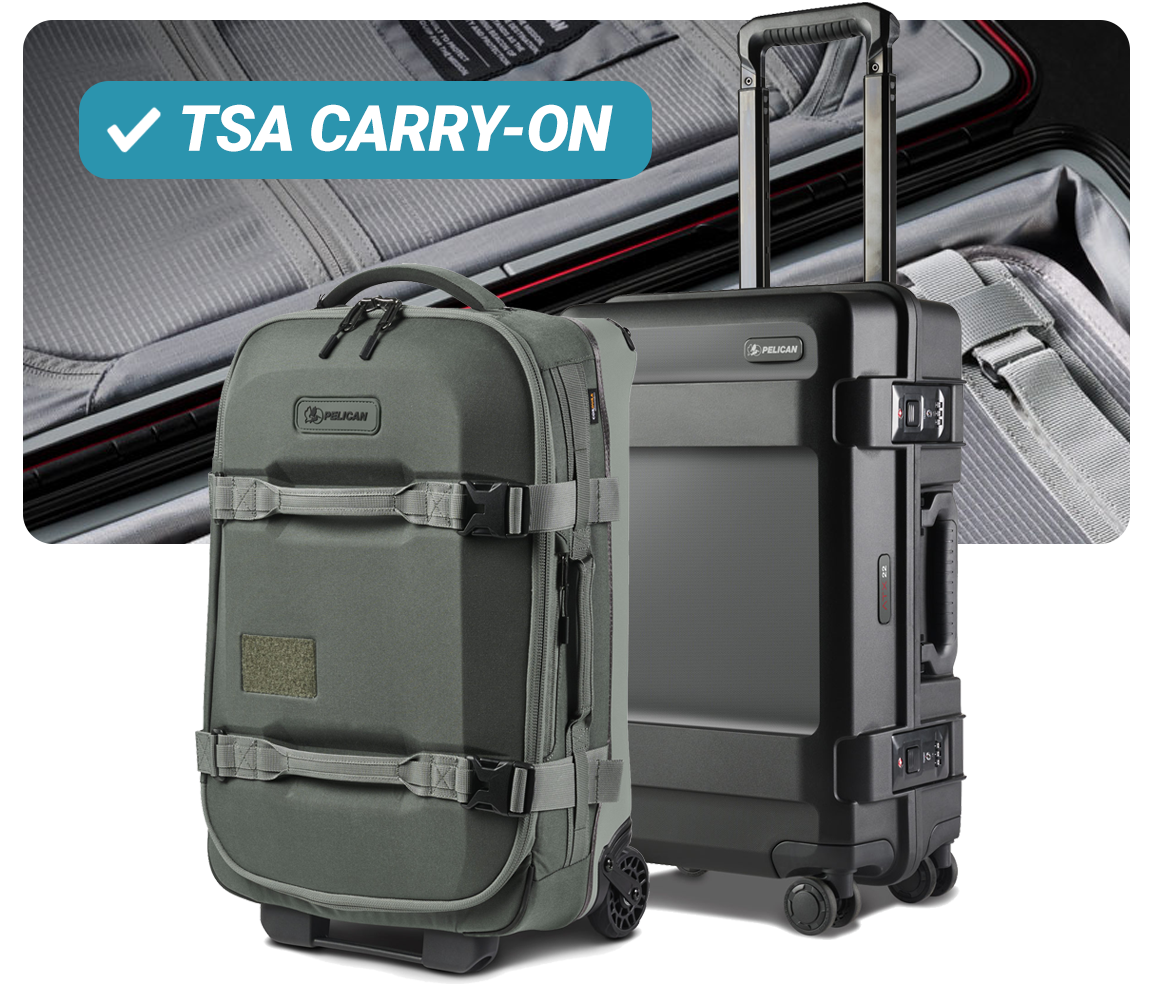
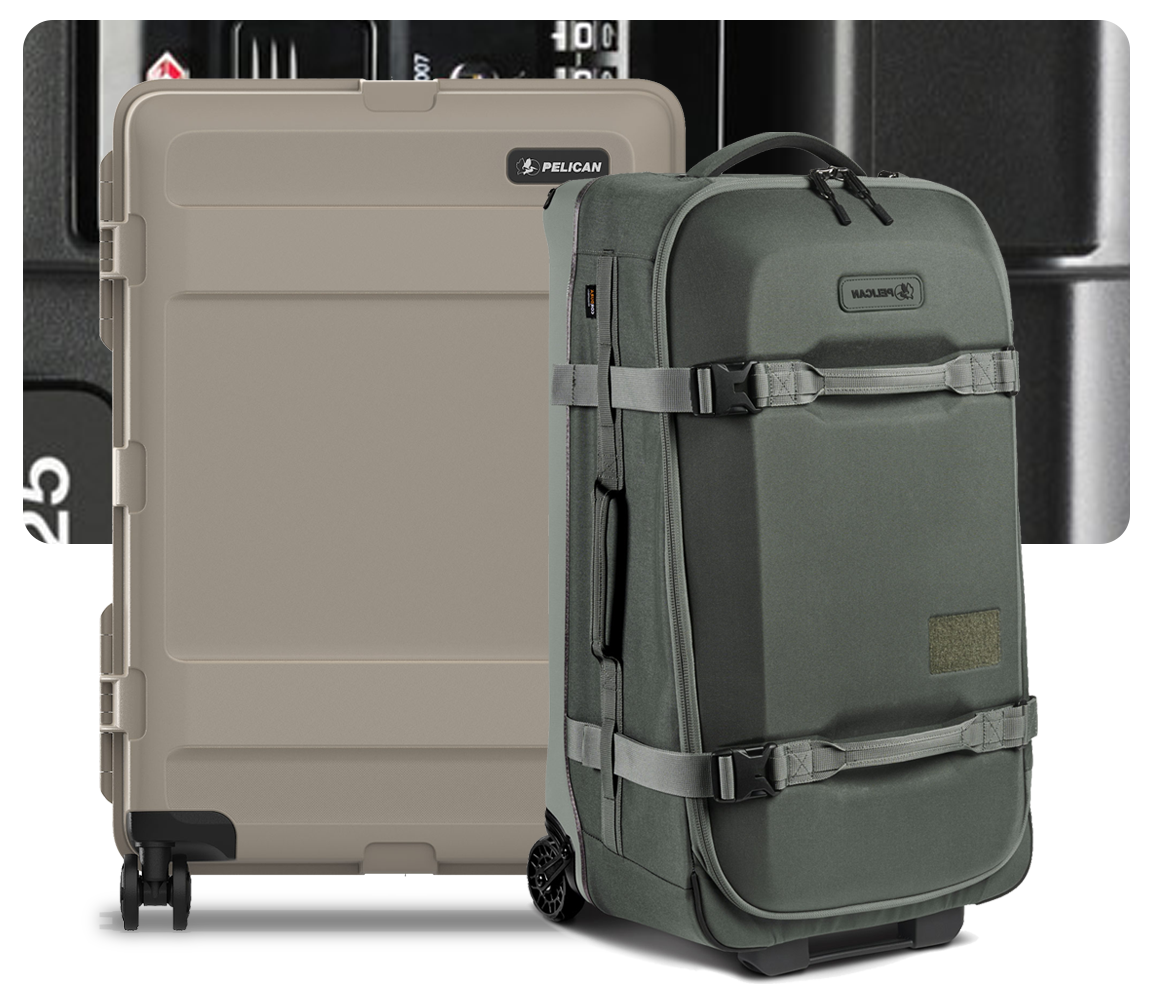
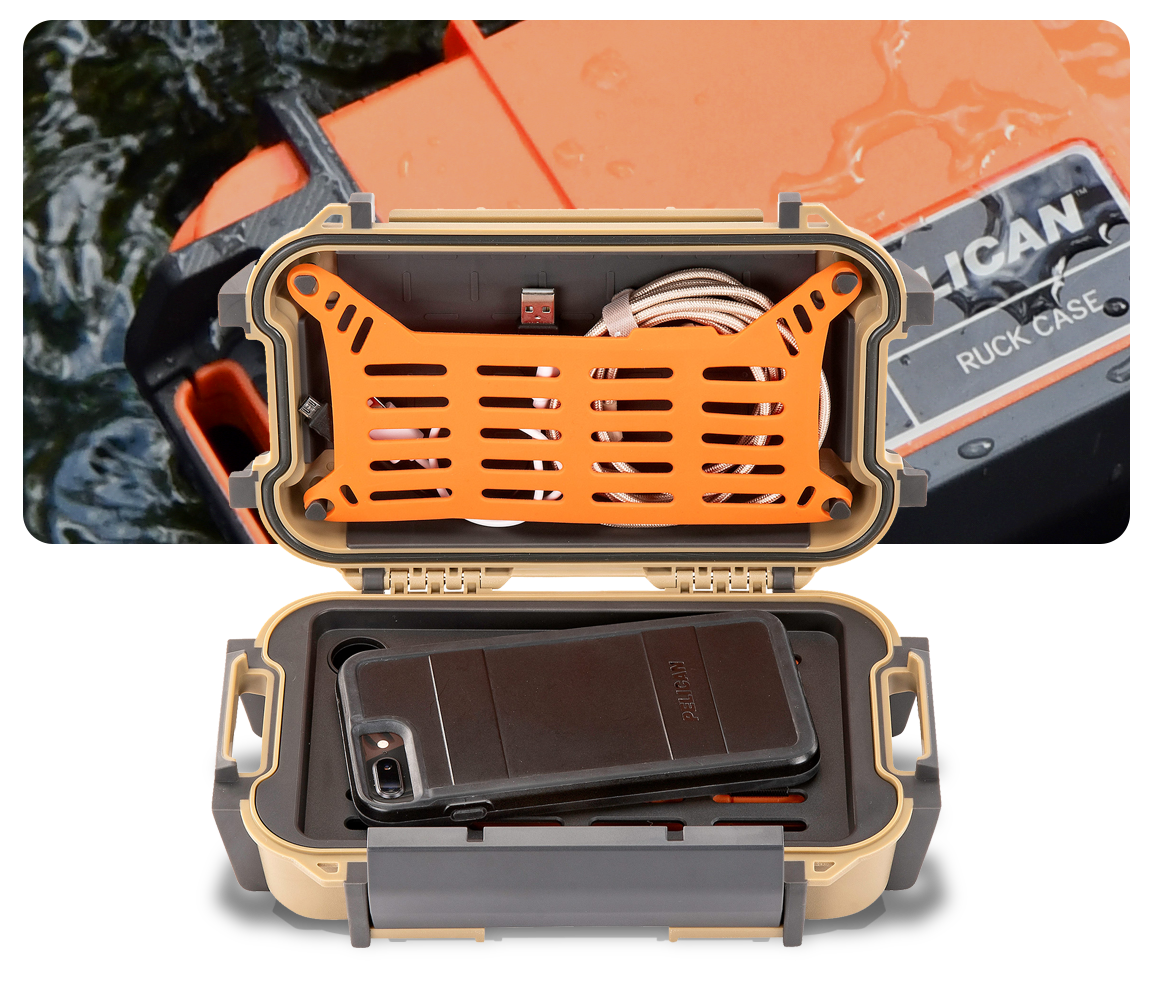
Both hard-sided and soft-sided bags can be "military-grade" based on their use and design. Hard-sided cases, like Pelican cases, use impact-resistant polymers. They offer great crush protection and seal against the environment, making them perfect for sensitive gear. Soft-sided bags, made from high-denier Cordura or ballistic nylon, are more flexible and lighter. They usually have a greater packing capacity and excel in abrasion resistance and maneuverability on different terrains. Choosing between them depends on whether you need impact protection or adaptability for your mission. It’s all about matching the right tool to the task.
Section 3: Buying Guide and Applications
FAQ 10: Who truly benefits from investing in military-grade luggage?
People who gain the most from military-grade luggage are frequent travelers, outdoor adventurers, and professionals with sensitive equipment. This group includes military personnel, first responders, expedition leaders, photographers, and field scientists working in tough conditions. The higher initial cost is worth it because this luggage protects your belongings and endures heavy use, cutting down on replacements. It's an investment in reliability and long-lasting performance. If you can't afford gear failure, this is for you.
FAQ 11: What are the cost implications of choosing military-grade options?
Military-grade luggage tends to cost more upfront than standard options. Prices range from $200 for small duffels to over $1,000 for large, wheeled cases. This higher cost reflects better materials, careful construction, and thorough testing. However, this initial expense can lead to big savings over time. The durability of military-grade luggage means you'll buy less often, cutting replacement costs. You're investing in reliability and peace of mind, not just a brand name. It’s a classic case of 'buy once, cry once.'
FAQ 12: How can I spot fake or overhyped "military-style" luggage?
To spot fake or overhyped "military-style" luggage, examine the materials, construction, and brand. Watch for vague phrases like "heavy-duty nylon" instead of specific denier counts, like 1000D CORDURA. Avoid bags with weak, unbranded zippers or plastic parts. Check for poor stitching, loose threads, and weak points that lack reinforcement. Be cautious of brands that make bold claims without proof or a solid history. Trust your instincts: if it feels cheap, it probably is. Real durability has a certain weight and quality.
FAQ 13: What should I prioritize when selecting military-grade luggage for air travel?
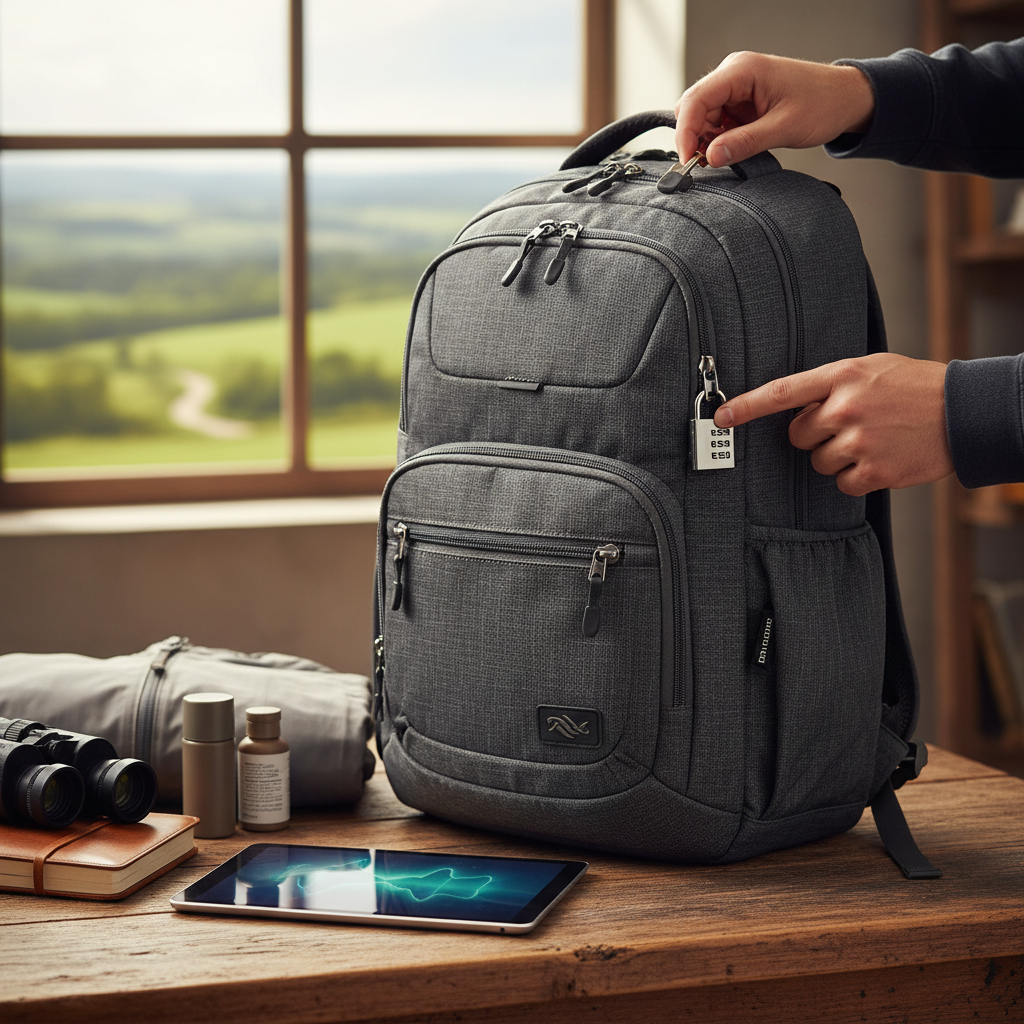
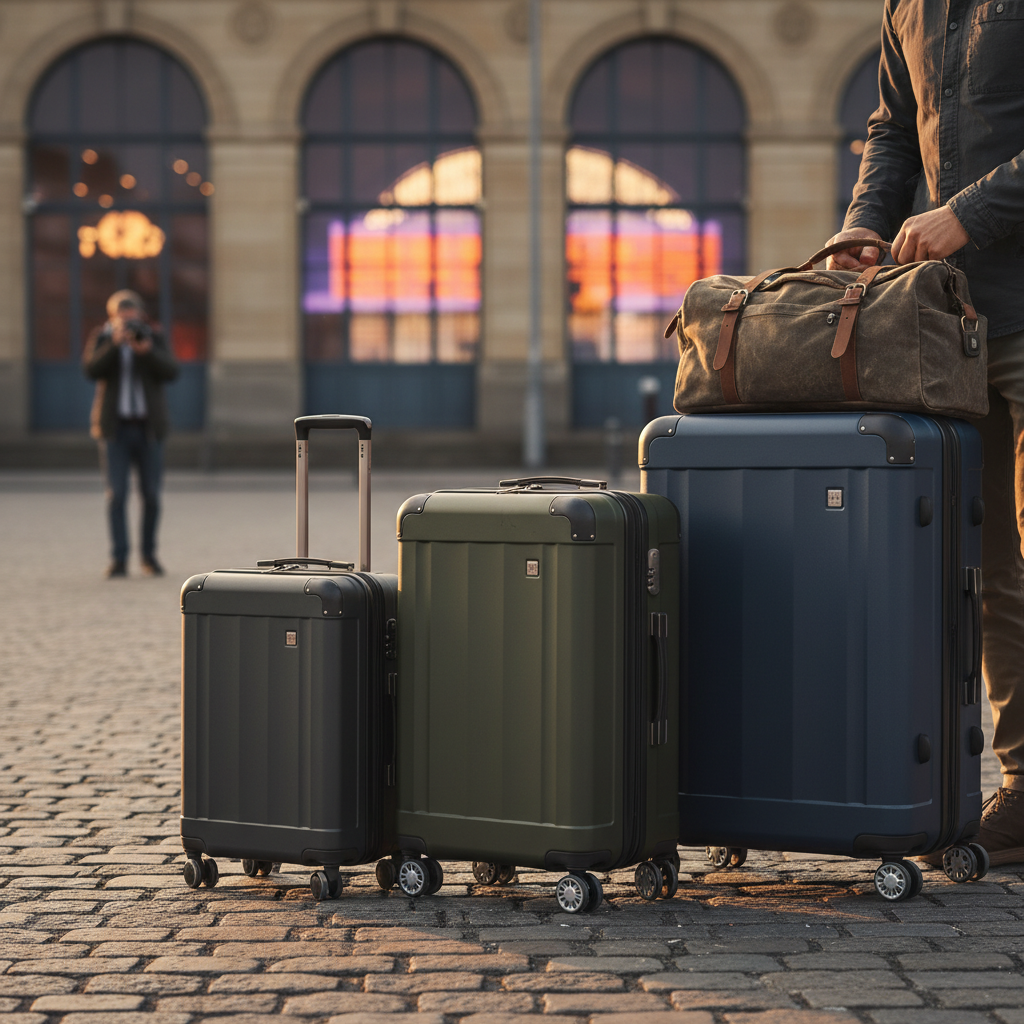
When choosing military-grade luggage for air travel, focus on durability, weight, and airline size rules. Pick bags with strong, impact-resistant exteriors. These can be high-denier soft-sided or hard-sided polymer. They’ll hold up during baggage handling. Make sure zippers can be locked and compartments are organized to keep items secure. True military-grade gear may be heavy, so seek designs that reduce empty weight while keeping strength. This helps avoid extra baggage fees. Wheels and handles must be very strong for repeated use. Pay close attention to airline rules for carry-on and checked luggage. Flexibility and ruggedness are essential.
Section 4: Care and Longevity
FAQ 14: What is the expected lifespan of genuine military-grade luggage?
With proper care, genuine military-grade luggage can last 10 to 20 years, or even longer. Some high-quality parts are repairable. Unlike consumer-grade bags meant for short-term use, military-grade gear is made to endure tough conditions. This makes it very durable. Factors like how often it's used, the environment, and the materials affect its lifespan. Many parts, such as wheels and handles, are field-replaceable, which helps extend the bag's life. It's built for long-term use and is a smart investment.
FAQ 15: What maintenance tips extend the life of high-durability bags?
To extend the life of high-durability bags, clean the fabric regularly with a mild soap and water solution. This is especially important after exposure to dirt, saltwater, or chemicals. Then, let it air dry completely. Lubricate zippers and wheel axles with silicone spray now and then. This keeps them working smoothly and prevents corrosion. After each tough trip, check all seams, buckles, and handles for early signs of wear or damage. Fix minor issues before they get worse. Store your luggage in a cool, dry place, away from direct sunlight. Sunlight can damage fabrics and coatings over time. These simple steps protect your investment. A little care goes a long way.